
Information
Aeroponics: Efficient and Sustainable Agriculture of the Future
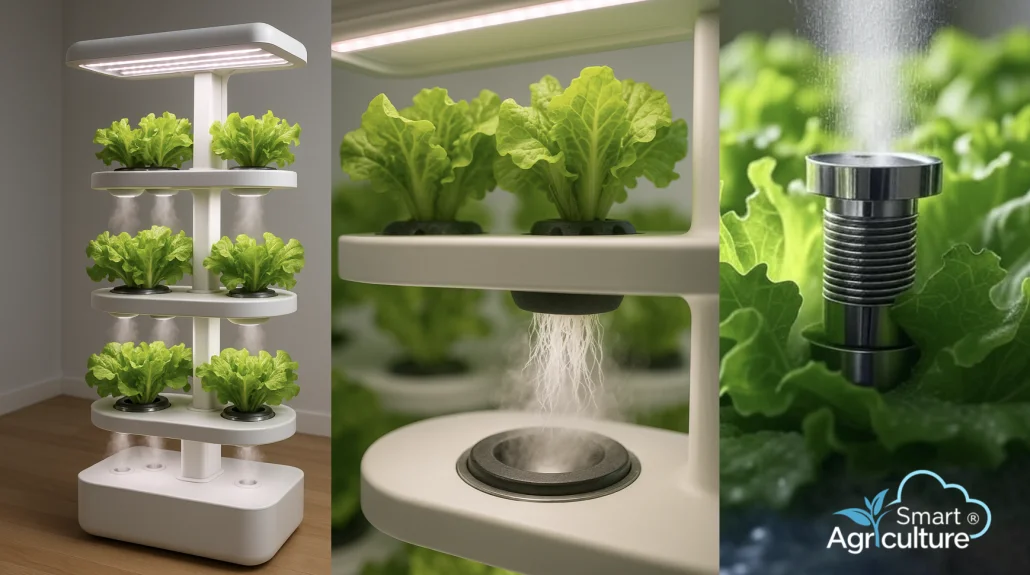
Aeroponics is a soil-free agricultural method in which plant roots are suspended in air and nourished through periodic spraying with a nutrient solution. Why Choose Aeroponics? Compared to conventional agriculture, aeroponics offers several significant advantages:
Water Efficiency: Water consumption is far lower because there is no evaporation from the growing medium. Higher Crop Yields: Faster and more efficient plant growth results in larger harvests. Minimal Pesticide Use: The risk of soil-borne diseases is significantly reduced. Controlled Growth: A controlled growth environment allows for optimization of conditions for plant growth. Scalability: Aeroponic systems can be adapted for various scales, from home farming to large-scale commercial agriculture.
How Does Aeroponics Work? The system involves several main components:
Enclosed Growing Space: Creates a controlled environment for temperature, humidity, and light. Spraying System: Distributes nutrient solution to plant roots periodically. Lighting System: Provides optimal light for photosynthesis. Monitoring System: Monitors environmental conditions and plant health.
Aeroponics offers an innovative solution to modern agricultural challenges, toward a more sustainable and productive future. #Aeroponics #SustainableAgriculture #AgTech #Innovation #Farming
*credit image: Generated by AI using OpenAi and Grok
Originally published on our previous site. Read the original