
Smart researchfor the fields of tomorrow.
Six focus areas, one goal: turning field data into healthier, more sustainable harvests for farmers, from open fields and canals to estates and plant factories.
- 28
- Center projects
- 20
- Student theses
- 6
- Focus areas
Research area
Open Field Technology
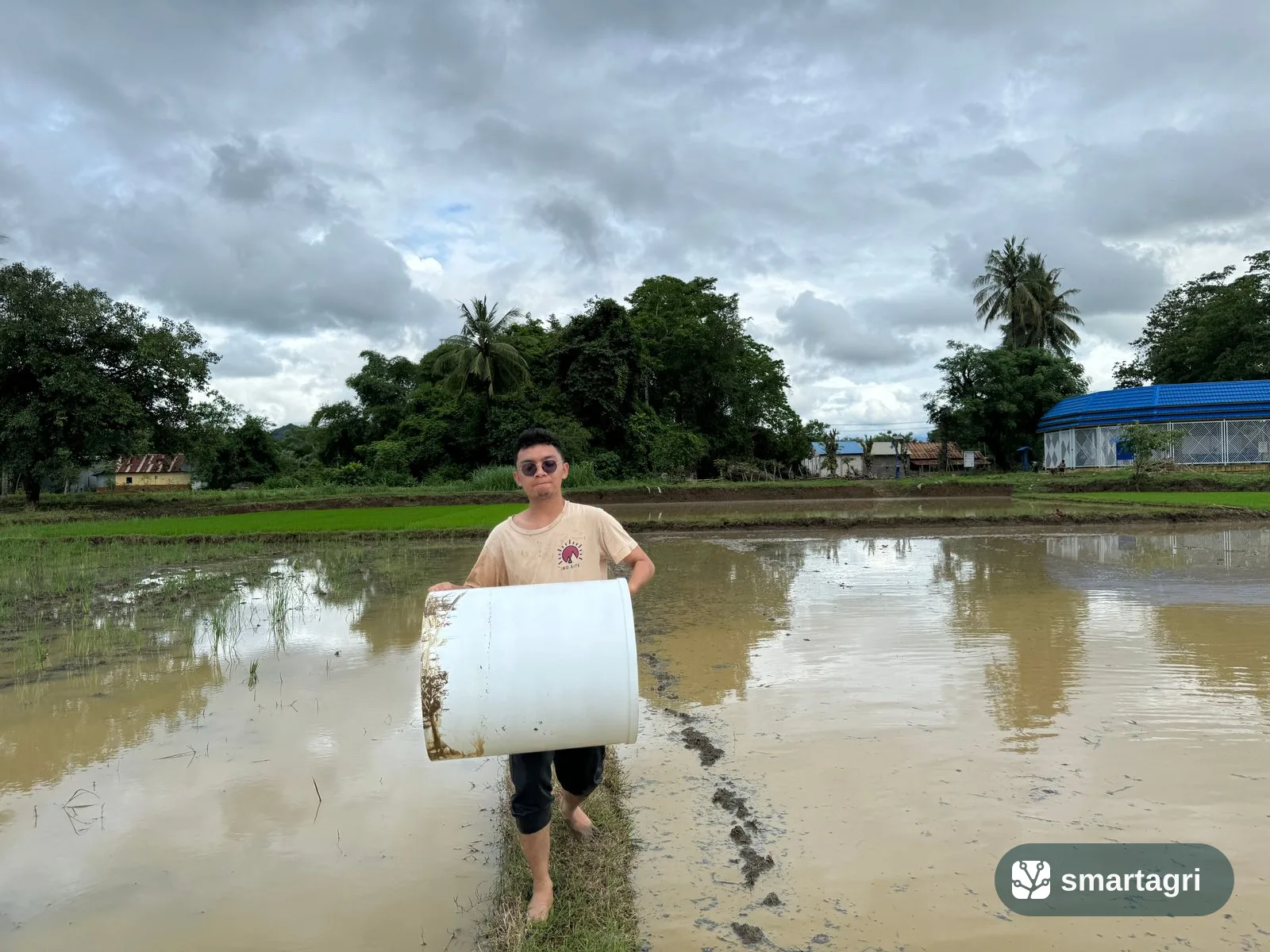
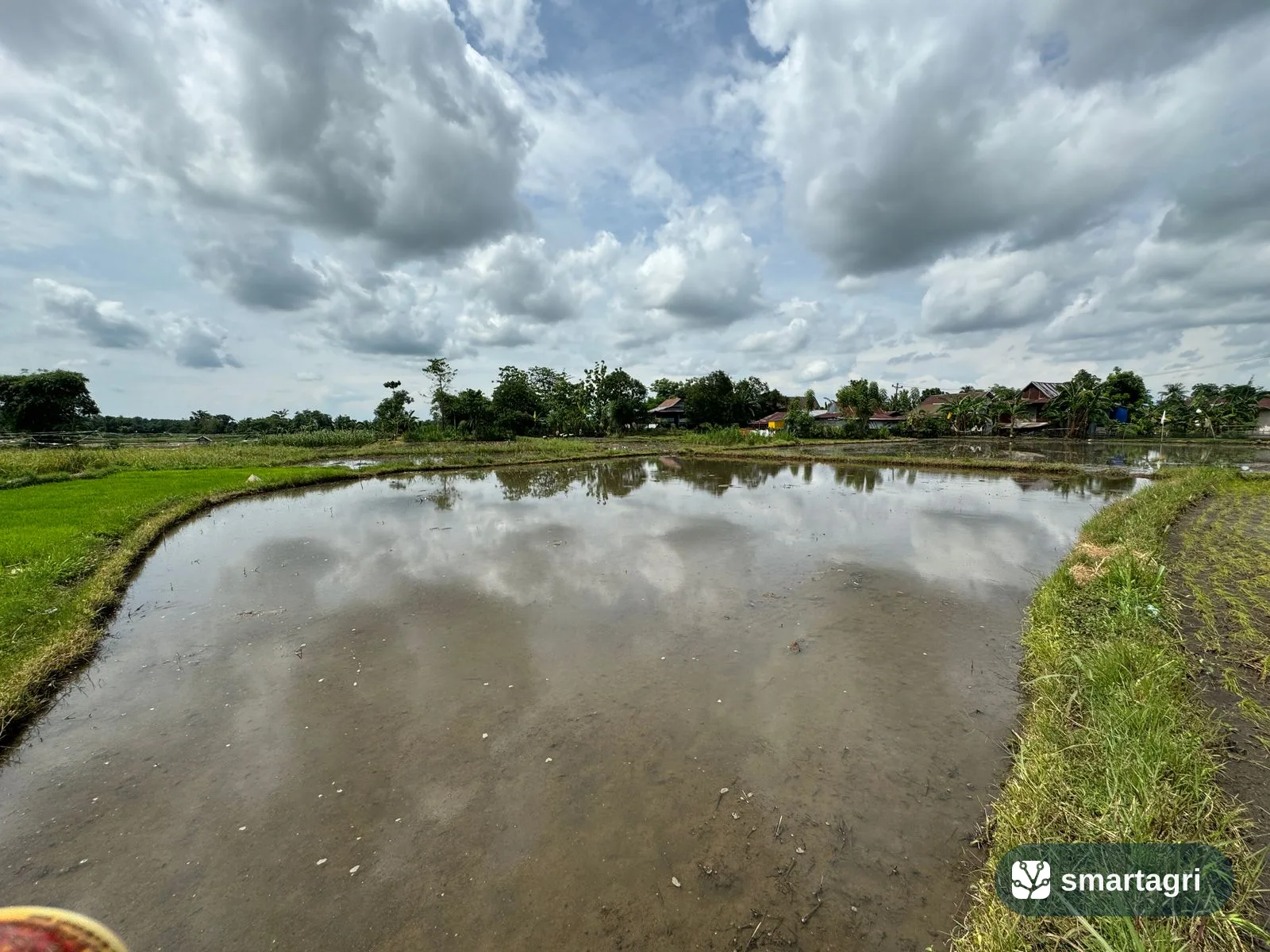
Open Field Technology brings precision agriculture to the fields farmers actually work. One architecture, sensors and controllers on site with cloud analysis and apps behind them, runs through our work on coastal sand irrigation, tractor guidance, bird pest control and crop and fruit assessment.
What we do
- IoT and weather-aware sprinkler control for coastal sandy soils
- GPS tracking and auto-steering for tillage
- Computer-vision bird pest detection and deterrence
- Non-destructive leaf and fruit assessment
Why it matters
- 16.9% less water than farmers' own watering in a three-day sandy-soil trial
- Sprinkler uniformity raised from 77.9% to 92.8% by correcting pressure and layout
- Salak sugar content read without cutting the fruit (R² 0.946)
Built on
- IoT Sensor Networks
- Computer Vision
- Machine Learning & AI
- Weather & Climate Modeling
Research area
Irrigation Modernization
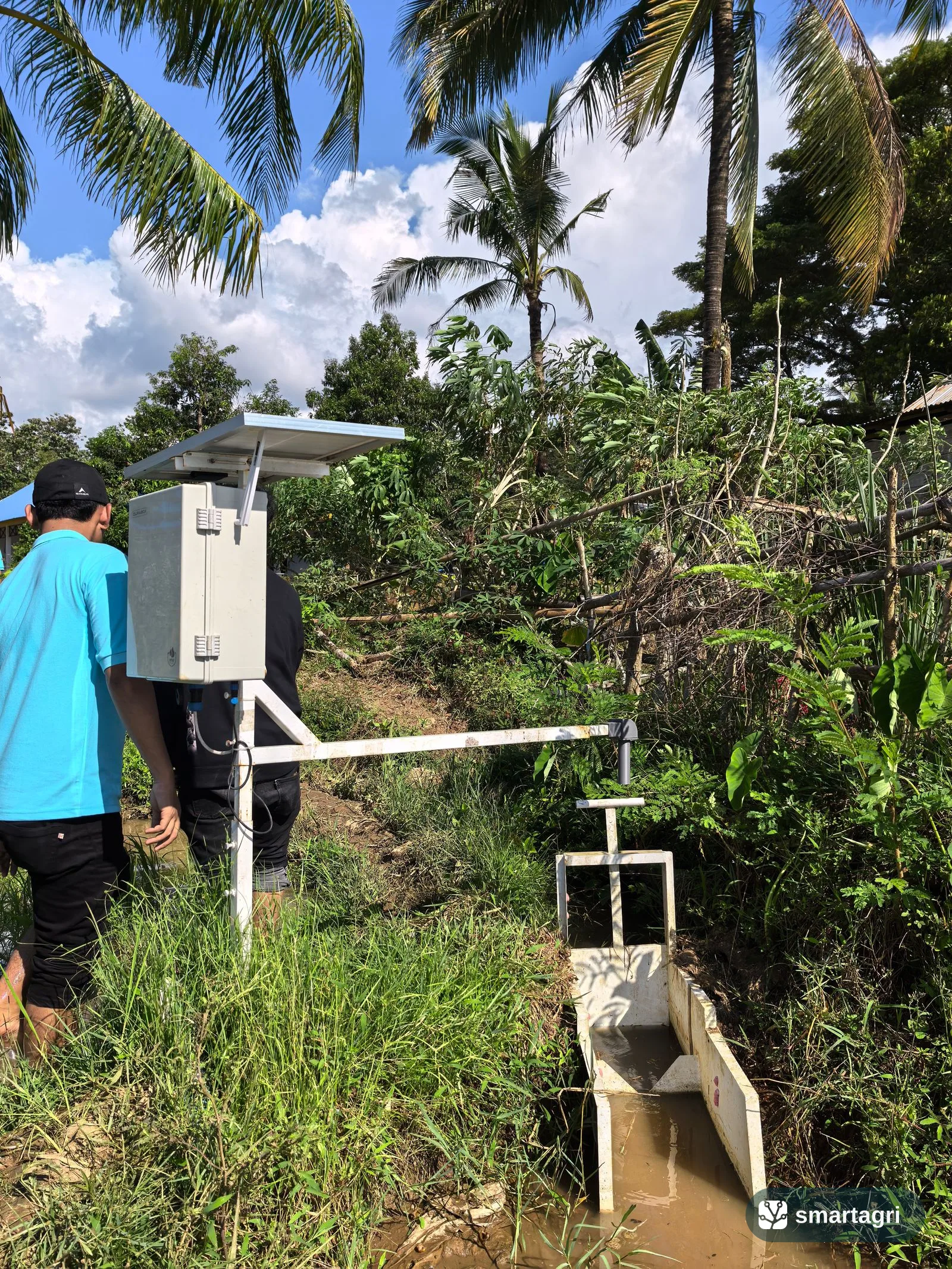
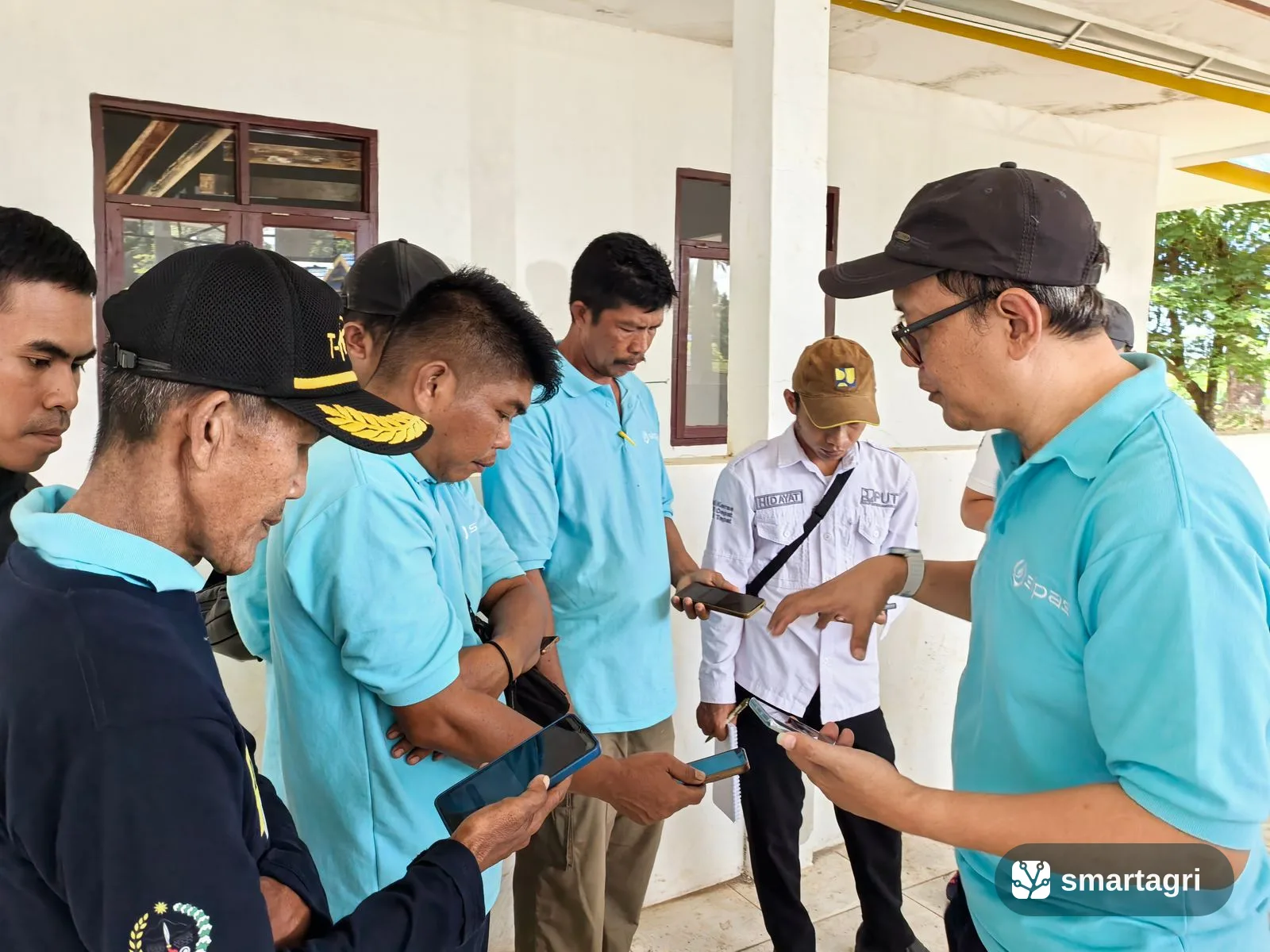
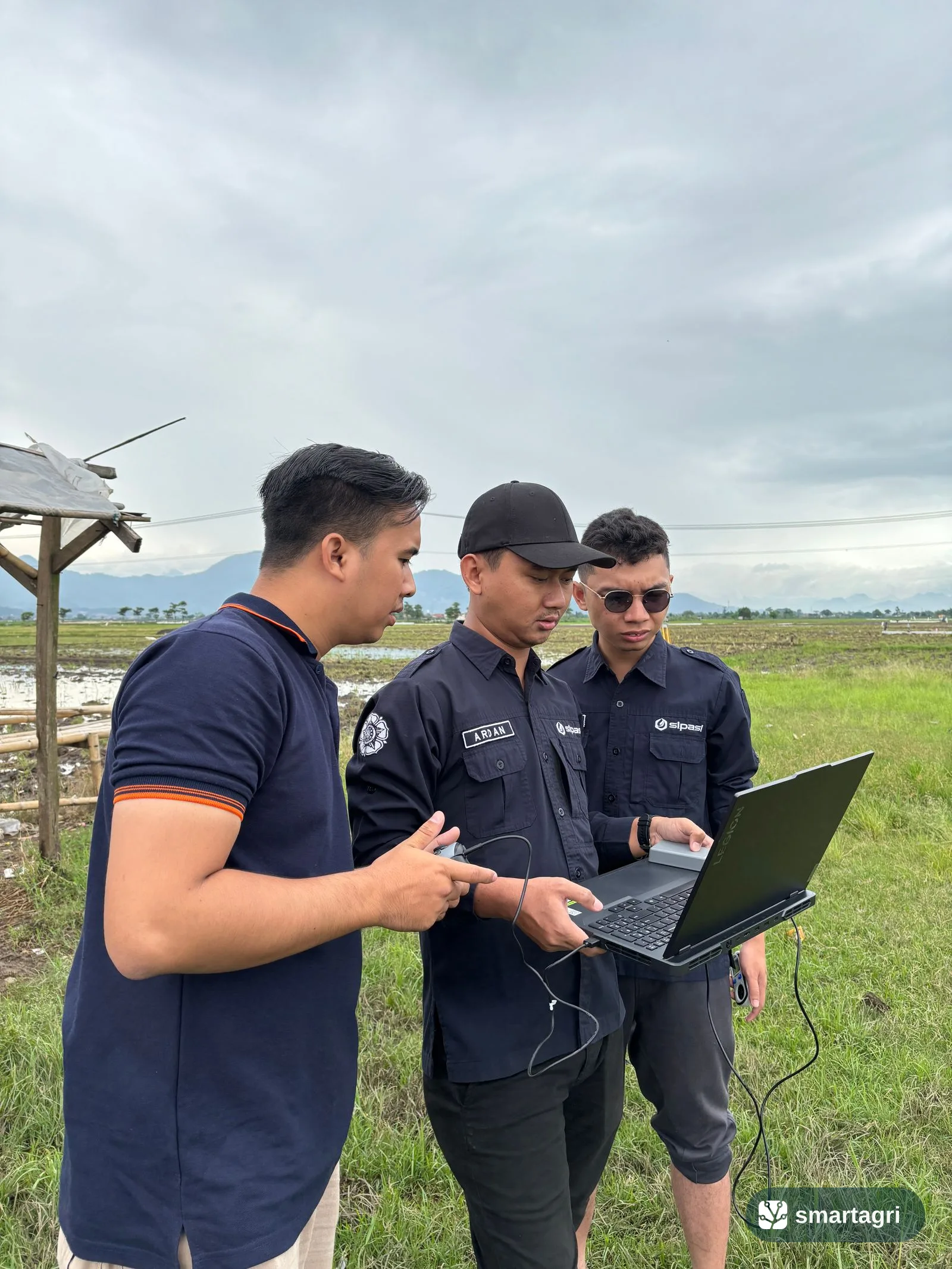
Irrigation performance does not come back with rehabilitation alone. Through SIPASI and our work at DI Sapon in Kulon Progo we bring irrigation operation onto data: forecasting canal discharge, modelling how gate moves shift the water, and capturing what experienced operators know.
What we do
- SIPASI decision support for operation and maintenance
- Deep-learning forecasts of canal discharge
- Hydrodynamic modelling and automatic gate control
- Knowledge management for irrigation operators
Why it matters
- SIPASI in use in the Wadaslintang, Mrican and Way Sekampung irrigation areas
- Primary canal discharge forecast with R² 0.974 for cropping-pattern planning
- Operators' tacit gate decisions turned into a shareable dashboard
Built on
- Smart Irrigation Control
- IoT Sensor Networks
- Weather & Climate Modeling
- Decision Support Systems
Research area
Smart Estate Technology
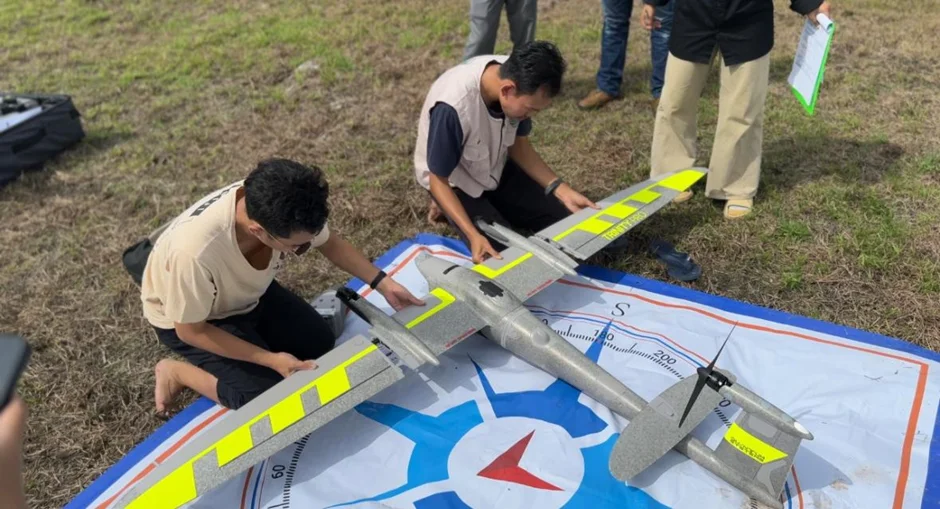
On a plantation, a small error in fertiliser or water repeats across thousands of palms. Our estate work turns historical records, field sensors and aerial imagery into decisions on what to apply, where, and when stress is on its way.
What we do
- Fertiliser dose models from historical estate data
- Real-time soil moisture on suboptimal soils
- AI-based rapid testing for off-spec fertiliser
- Environmental stress prediction from multispectral VTOL imagery
Why it matters
- Fertiliser recommendations for six nutrients from the estate's own records
- A water deficit seen before it shows in the palms
- Fertiliser checked against its specification before it is spread
Built on
- UAV Platforms
- Geospatial Analytics
- Multispectral Imaging
- Decision Support Systems
Research area
Smart UAV Technology
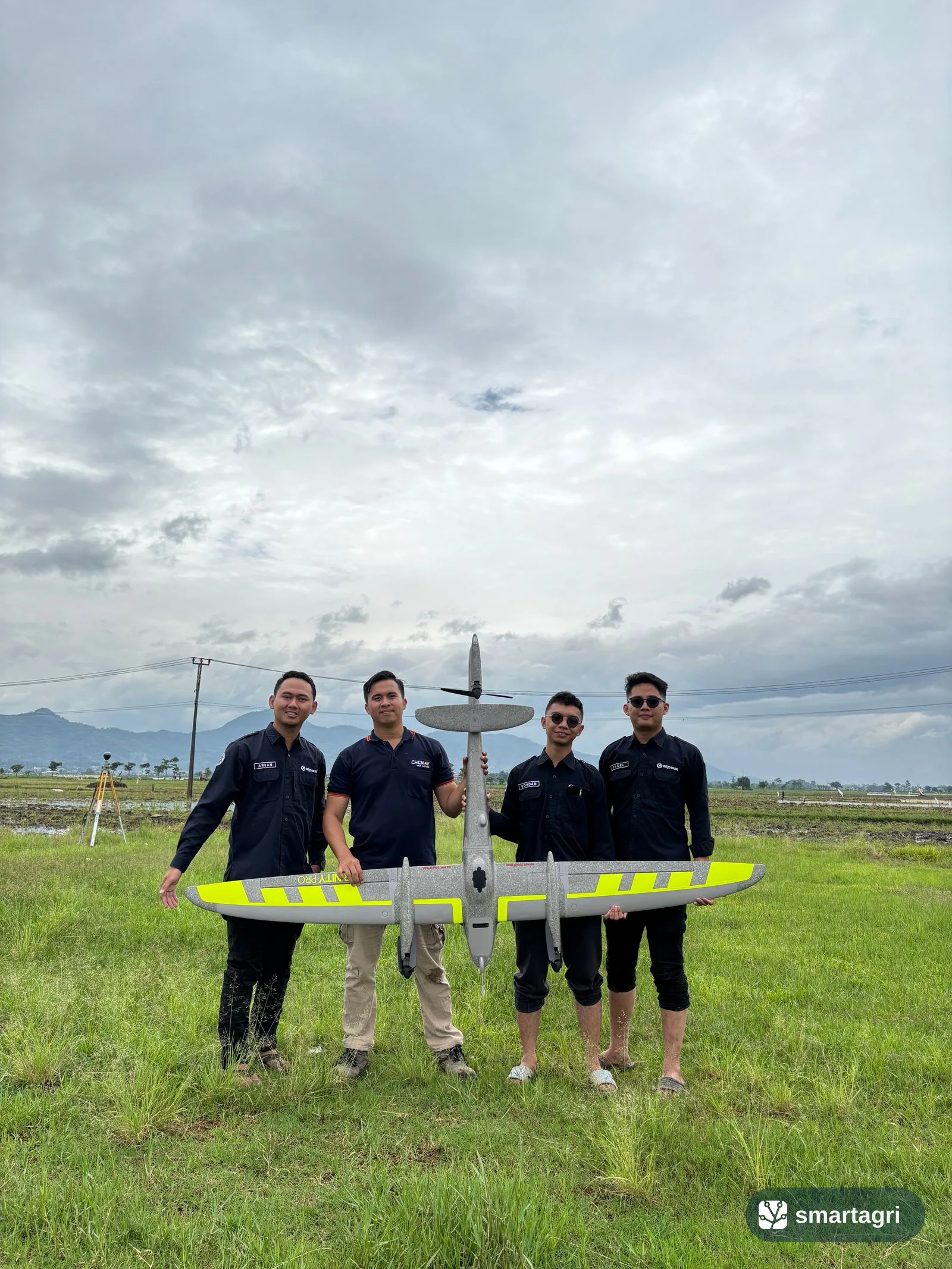
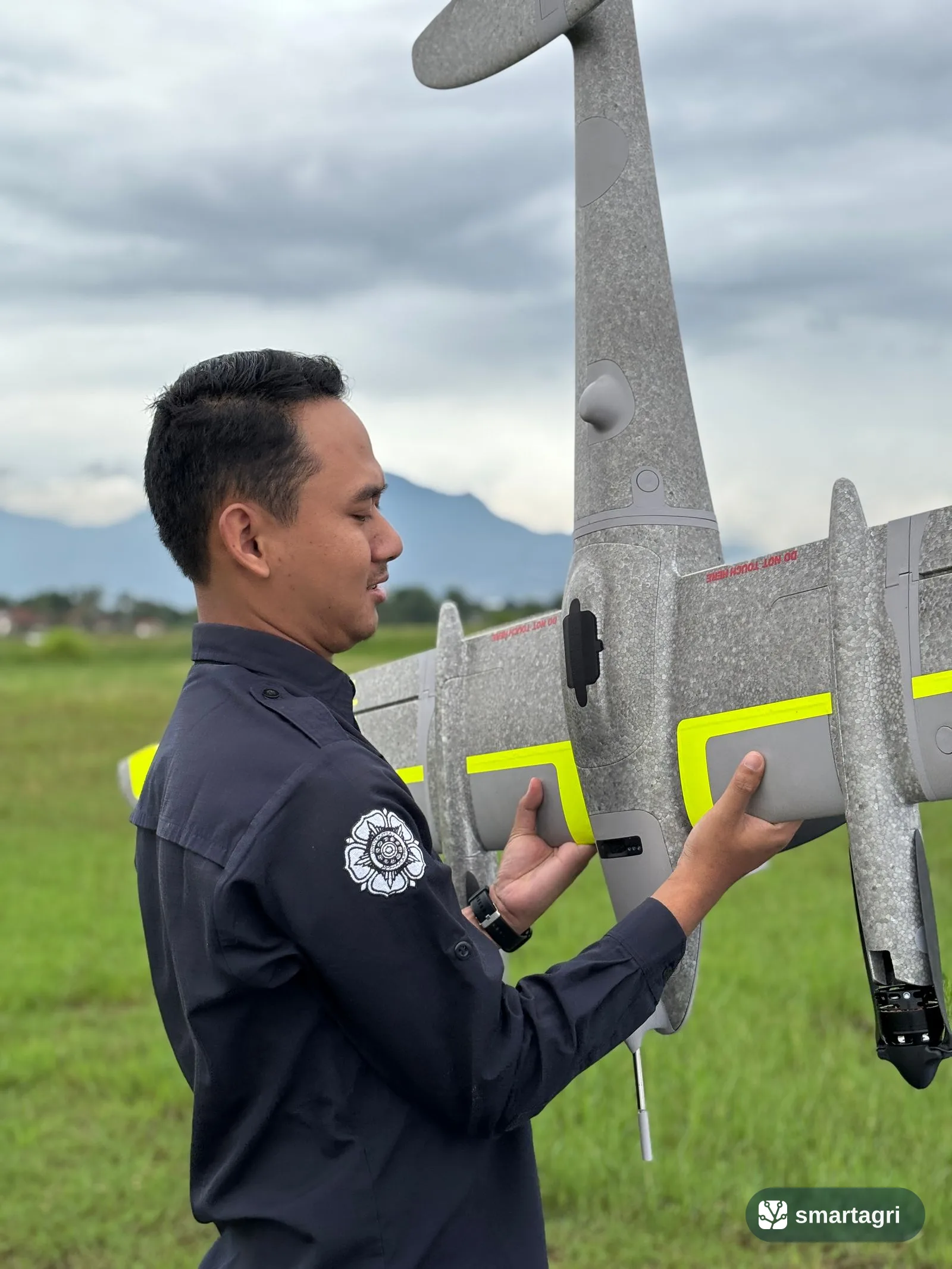
Our UAV work has moved from pictures to physiology. Trinity Pro VTOL flights with multispectral cameras, matched to measurements on the ground, become maps of tree counts, crop health, stomatal conductance and where fertiliser is needed.
What we do
- Automated tree counting from VTOL orthomosaics
- Crop health and physiology mapping from multispectral imagery
- Land management assessment per plot
- Grid zoning for variable-rate fertilising
Why it matters
- Rice stomatal conductance mapped from the air (R² 0.69)
- 93 paddy plots rated for land management (F1 0.79)
- Fertiliser-need maps ready for variable-rate application
Built on
- UAV Platforms
- Multispectral Imaging
- Geospatial Analytics
- Computer Vision
Research area
Indoor Farming Technology
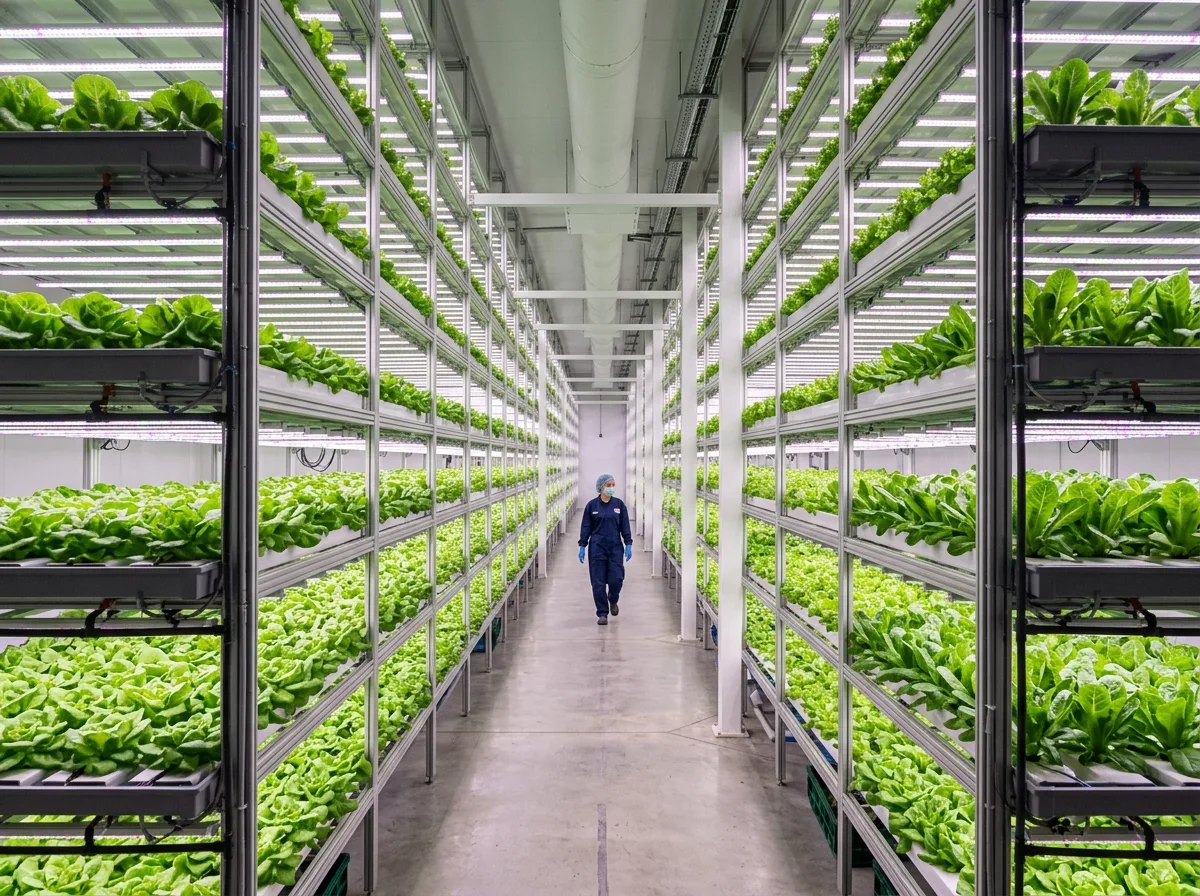
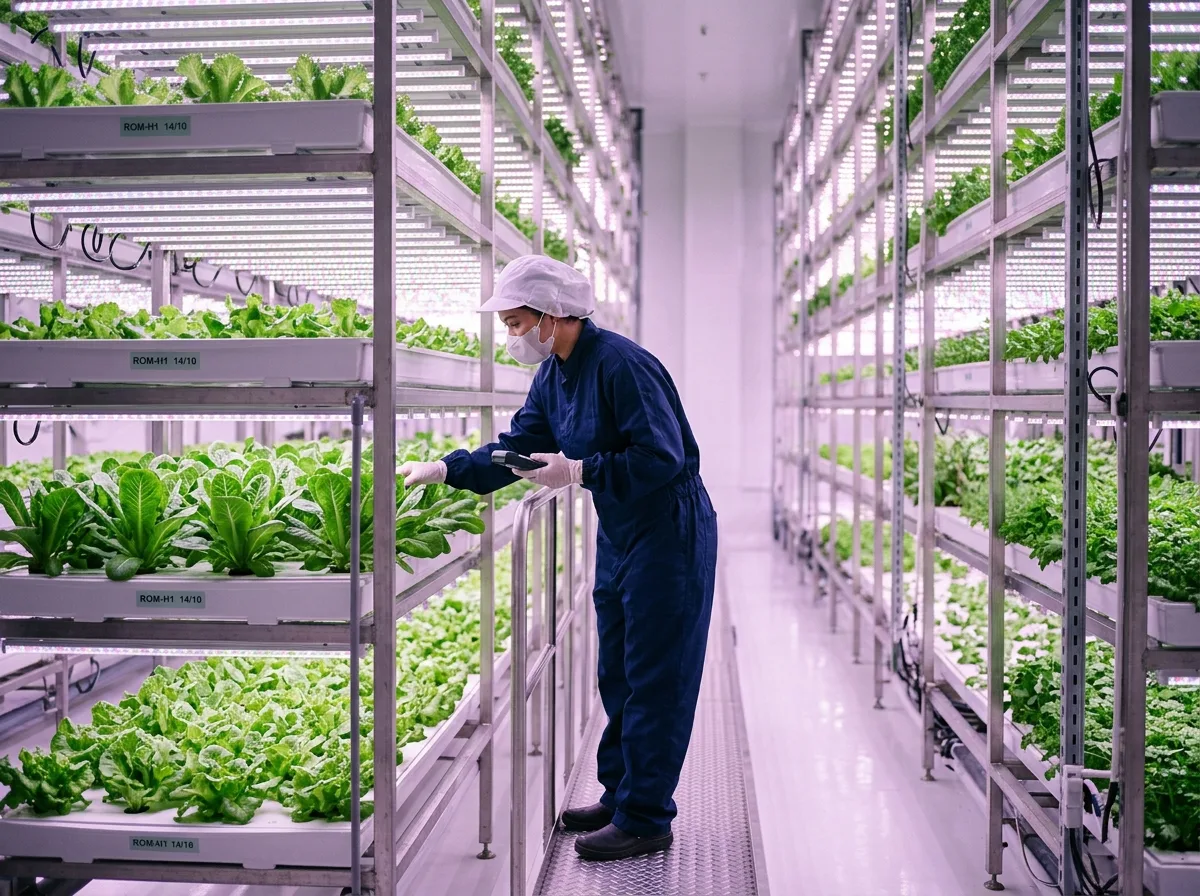
Indoor farming is our most active area. It starts with the growing environment, VPD-based greenhouse control, edge computing, lighting and aeroponics, and is moving towards reading the plant directly through its gas exchange, impedance, spectrum and electrical signals.
What we do
- VPD-based climate monitoring and control
- Plant factory and aeroponic production systems
- Plant-based sensing: impedance, low-cost spectroscopy, electrical signals
- Machine learning and computer vision for physiology and disorders
Why it matters
- Lettuce photosynthesis predicted from monitoring data (R² 0.985)
- A low-cost spectral sensor matched to a reference spectrometer (R² up to 0.974)
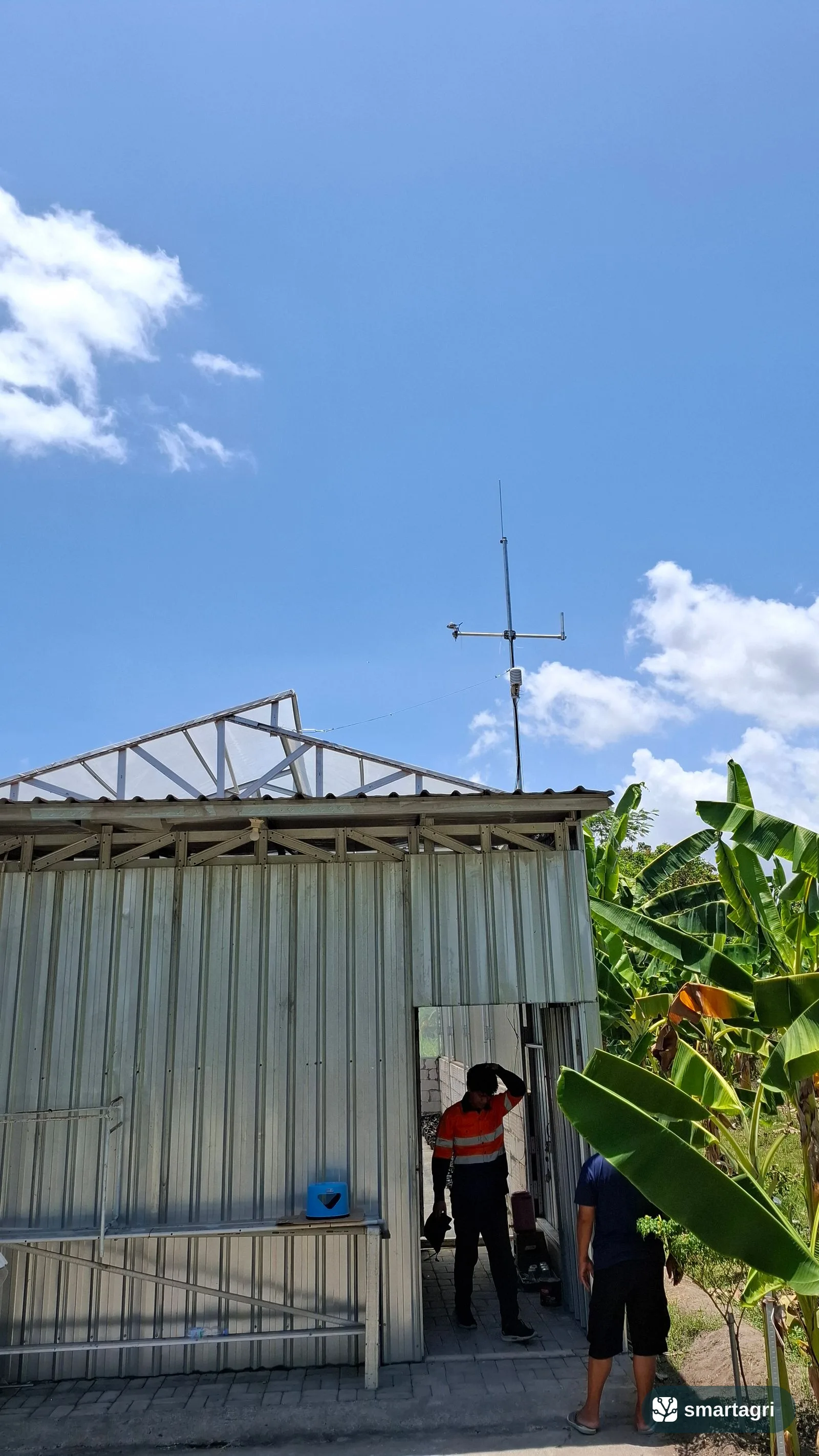
- A low-cost smart greenhouse running with the Taruna Tani farmer group in Sriharjo
Built on
- Climate Control Systems
- Hyperspectral Sensing
- EIS Plant Sensing
- IoT Sensor Networks
Research area
Agro-Informatics
Agro-Informatics connects the rest of our work to the people who use it: enterprise and knowledge systems for cooperatives and communities, an ERP for the plant factory, blockchain traceability for rice and IoT early warning for village industry.
What we do
- Enterprise and decision support systems for cooperatives
- Knowledge management systems
- Blockchain traceability for supply chains
- IoT early-warning and monitoring dashboards
Why it matters
- Rice traced from farmer to consumer on a blockchain (SUS 87.8, A+)
- Plant factory operations run from one ERP
- An air quality early warning for village tofu makers
Built on
- Machine Learning & AI
- Decision Support Systems
- Geospatial Analytics
- Computer Vision
Roadmap 2012–2030
From foundationsto full ecosystems.
Six stages, supported throughout by research on environmental monitoring and control and on knowledge and information management.
- IoT in smart agriculture
- VPD monitoring for plant growth
- Edge computing analytics
- Smart grow-light systems
- CFD-based indoor farming
- Machine-learning plant growth models
- AI-powered robotics
- Biosensing engineering
- Precision plantation management
- AI-powered decision support
- Blockchain traceability for agriculture
- Big data analytics
- AI-driven food production
- Self-adaptive irrigation networks
- AI-based pest and disease control
- Fully automated smart farming
- Climate-resilient farming with AI
- AI-driven yield prediction
Let's grow the futureof farming together.
Partner with our researchers, pilot smartagri on your fields, or join the team building data-driven agriculture.
