
Collaboration Research
Survey on Implementation of Irrigation Management System – SIPASI in West Papua – Oransbari Irrigation Area
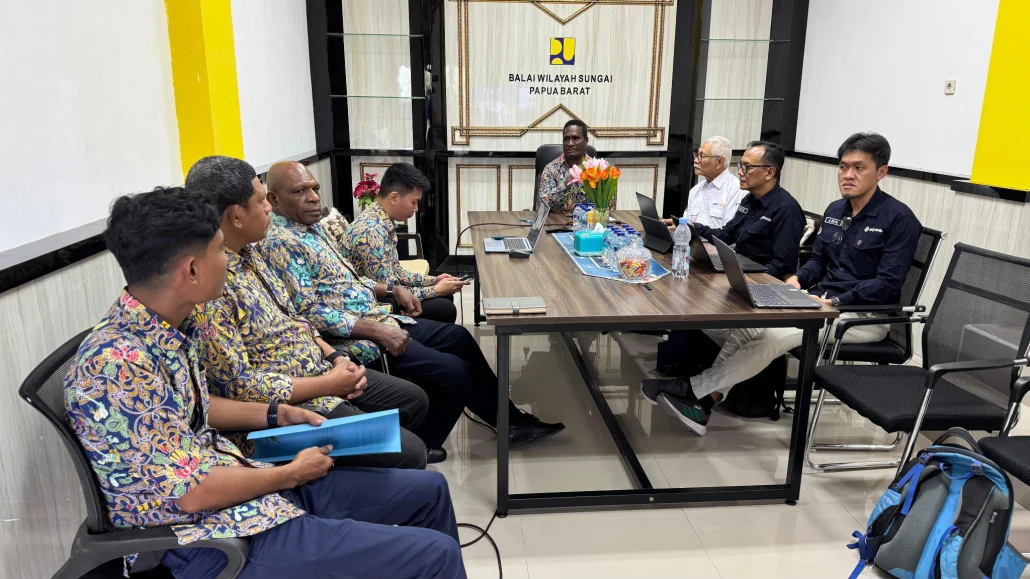
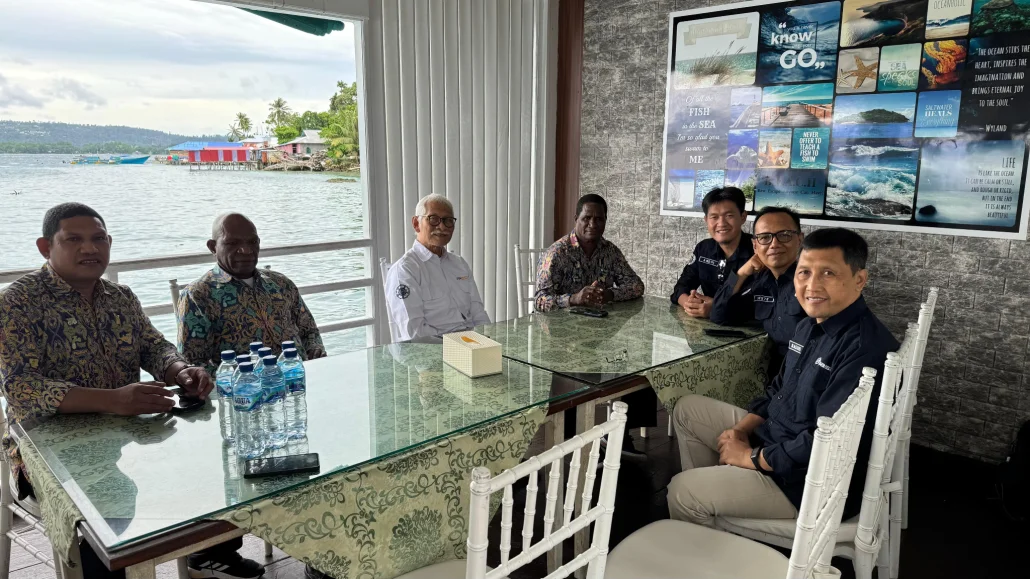
MANOKWARI, WEST PAPUA – A research team from the Department of Agricultural and Biosystems Engineering, Faculty of Agricultural Technology at Universitas Gadjah Mada (UGM) has completed a series of survey and coordination activities in Manokwari, West Papua, on 11-14 November 2025. This visit is part of the initiative to implement the Flow Rate Observation System (SIPASI) for irrigation modernization in the Oransbari Irrigation Area, a strategic step in supporting food security and sustainable water resource management.
The UGM team, bringing expertise in agricultural and biosystems engineering, consisted of Prof. Sigit Supadmo Arif, Dr. Andri Prima Nugroho, Rohmad Basuki, STP., and Yeste Sujut Triyanta, beginning their journey from Yogyakarta on Tuesday afternoon, 11 November, to Manokwari via Makassar.
Meeting with BWS West Papua
On Wednesday, 12 November, the team's first agenda was to meet with the Head of the River Basin Authority (BWS) West Papua, Mr. Wempy Nauw, along with his technical staff. This meeting was a crucial step in aligning perspectives regarding the SIPASI implementation plan in the Oransbari Irrigation Area. The Head of BWS West Papua conveyed the existing conditions of irrigation management, technical challenges in the field, and expectations for improving the accuracy of flow rate data through the application of current monitoring technology. The UGM team then presented the system concept which includes the integration of sensors and telemetry equipment, mechanisms for real-time data collection and management, and plans for a Knowledge Management System. The Head of the Authority provided full support for this modernization initiative, emphasizing the importance of collaboration between technical institutions, field managers, and irrigation officers.
Activities continued on Thursday, 13 November, with a comprehensive field survey in the Oransbari Irrigation Area, South Manokwari. The team from the Department of Agricultural and Biosystems Engineering UGM, with a focus on technological solutions for sustainable agriculture, conducted a survey from upstream to agricultural land to obtain a complete technical overview. They inspected the Oransbari Intake Weir, observed the physical condition of the weir, flow rate adjustment mechanisms, and potential locations for installing flow rate sensors, gate opening sensors, and automatic actuators. The survey of the irrigation network included primary channels, secondary channels, distribution structures, and intake structures, with identification of strategic points for flow observation and automation together with irrigation officers.
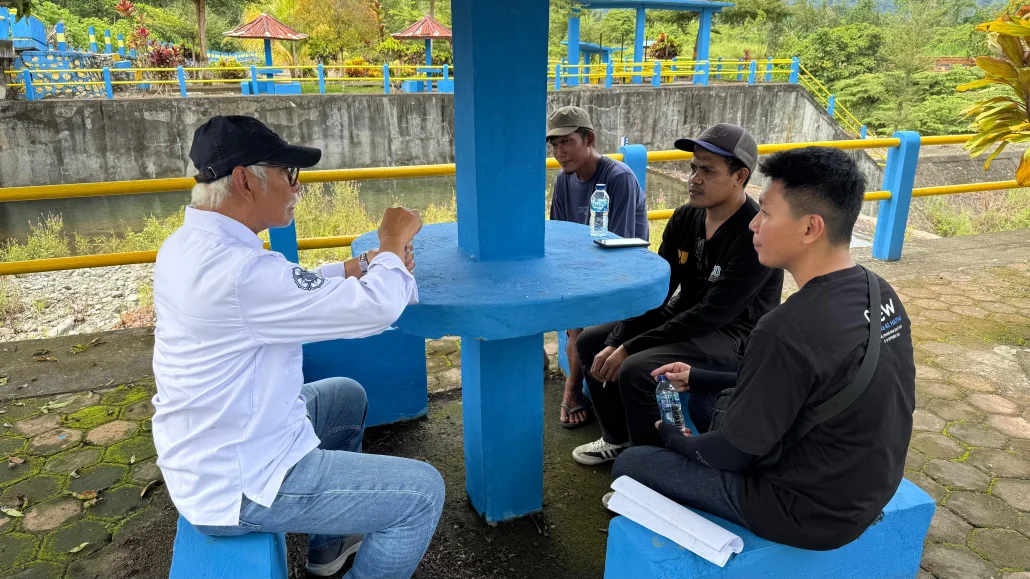
Network tracing survey and irrigation structure inventory
Additionally, the team also conducted an initial assessment of supporting aspects for modernization, such as cellular network connectivity for telemetry, potential use of solar panels as an energy source, security of equipment installation, and location accessibility. The field survey continued to the rice field area in Warbiadi, where the team observed local water management practices, cropping patterns, and the use of modern farm machinery that had become common among farmers.
This field survey provided a comprehensive picture of the conditions that will form the basis for developing a precise, efficient, and locally-appropriate irrigation modernization plan for West Papua. This initiative directly contributes to achieving the Sustainable Development Goals (SDGs), particularly SDG 2 (Zero Hunger) through improved agricultural productivity, SDG 6 (Clean Water and Sanitation) with more efficient water management, and SDG 9 (Industry, Innovation, and Infrastructure) through the development of modern and resilient irrigation infrastructure.
Originally published on our previous site. Read the original