
Uncategorized
UGM–Indosat–NVIDIA Discuss Strengthening Multimodal AI Research for Precision Agriculture, Continue Visit to Faculty of Agricultural Technology
By: Mutiara Alifia Ramadhanty
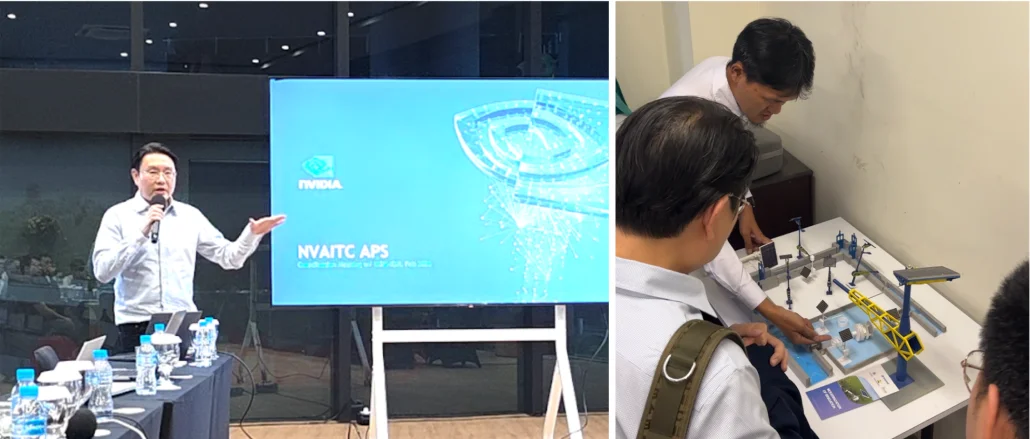
Yogyakarta, February 9, 2026 – Universitas Gadjah Mada (UGM) together with Indosat Ooredoo Hutchison (IOH) and NVIDIA held a series of Tech Meeting activities as part of strengthening strategic collaboration in the development of artificial intelligence research and ecosystem. The activity took place over two days, February 9–10, 2026, held at the Innovation and Creativity Arena (GIK) UGM and several related faculties within UGM.
The series of activities began with a Coordination Meeting and Research Meeting involving three main research clusters of UGM, namely Multimodal AI for Smart Agriculture, Precision Medicine, and Disaster Technology. The discussion was led by the Head of UGM's Digital Transformation Bureau, Dr. Mardani Riasetiawan, M.T., and attended by representatives of university leadership, cross-faculty researchers, and delegations from NVIDIA AI Technology Center and Indosat Ooredoo Hutchison.
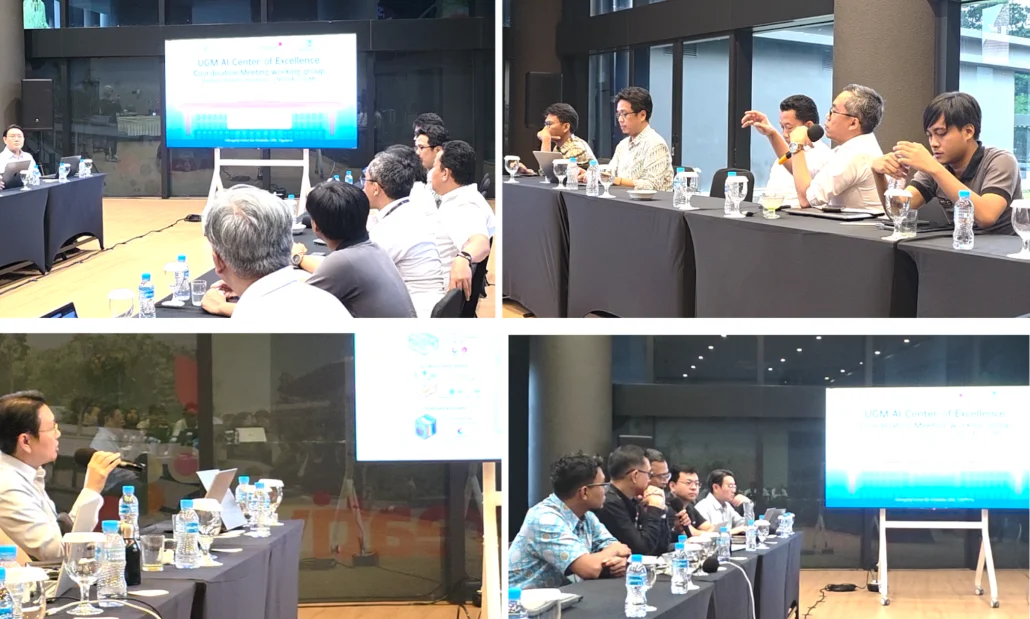
During the Smart Agriculture research presentation session, the FTP UGM team represented by Ir. Andri Prima Nugroho, S.T.P., M.Sc., Ph.D, IPU., ASEAN Eng., APEC Eng., Ardan Wiratmoko, S.T.P., M.Sc., and Muhammad Athala Fawwaz Dzaky, S.T.P. introduced the initiative for developing Multimodal AI for Tropical Precision Agriculture, an integrated artificial intelligence system that combines drone data, greenhouse imagery, hyperspectral sensor data, and IoT microclimate data in a single platform based on NVIDIA edge–cloud. The system is designed to support plant stress detection, canopy analysis, disease identification, and integration of environmental conditions in real-time using NVIDIA Jetson, TAO Toolkit, TensorRT, and Metropolis technologies.
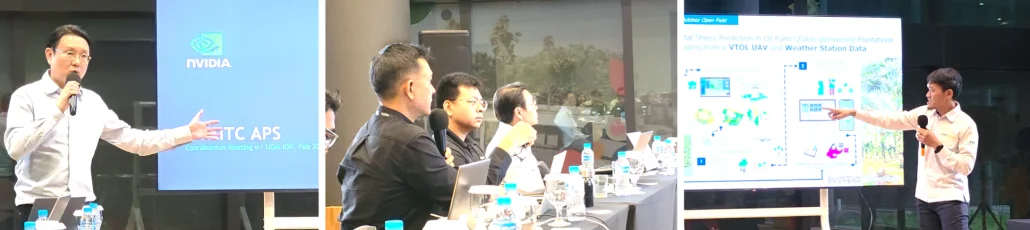
Subsequently, the activity continued with a visit to the candidate site for NVIDIA AI Technology Center (NVAITC) Joint Center within the GIK UGM area, as part of planning for the joint research collaboration center. In this session, the NVIDIA and IOH teams reviewed the readiness of UGM's research infrastructure to support the implementation of edge AI systems and 5G–edge–cloud orchestration.
Entering the Laboratory Visit session, the delegation conducted visits to several faculties, including the Faculty of Agricultural Technology (FTP) UGM. At FTP, the visit was focused on laboratory facilities supporting precision agriculture research, particularly the Laboratory of Agricultural Energy and Machinery DTPB UGM. The FTP team presented the potential application of Multimodal AI in the context of tropical agriculture, ranging from drone-based plant monitoring, visual analysis in greenhouses, to integration of environmental sensors to support agronomic decision-making.
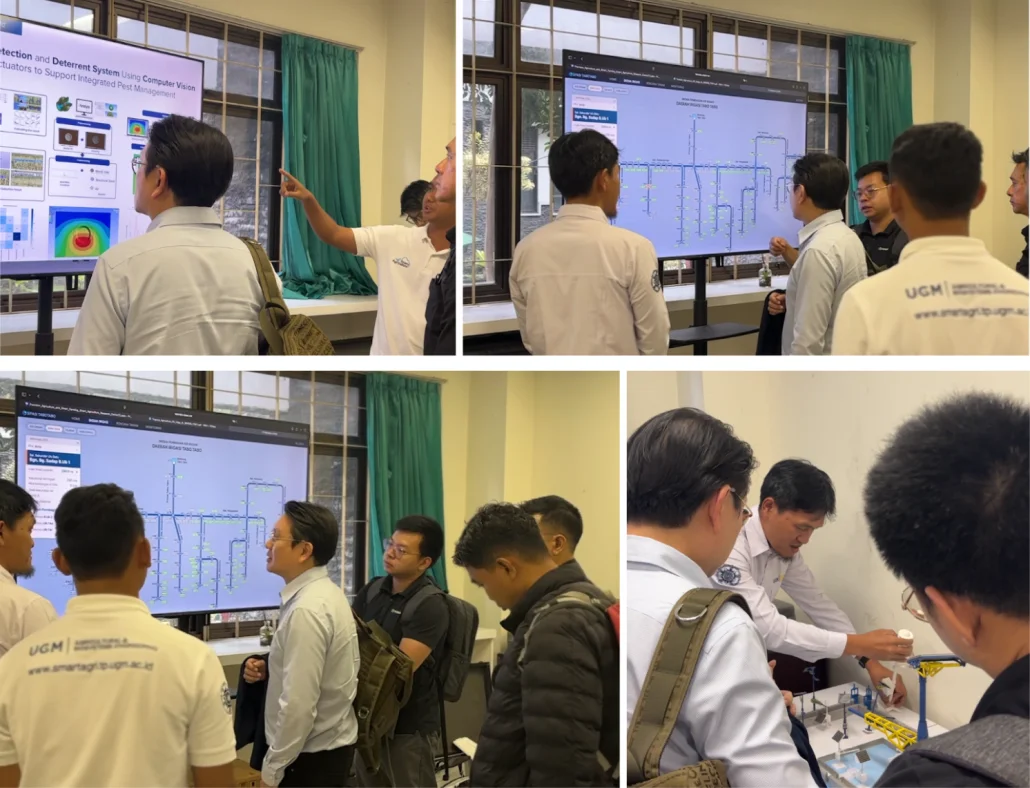
In the visit, DTPB FTP UGM researchers explained that collaboration with NVIDIA and IOH opens significant opportunities for developing more comprehensive data-based precision agriculture systems. Edge AI technology enables direct analysis in the field, while 5G connectivity supports real-time data transmission from agricultural sites to computation centers.
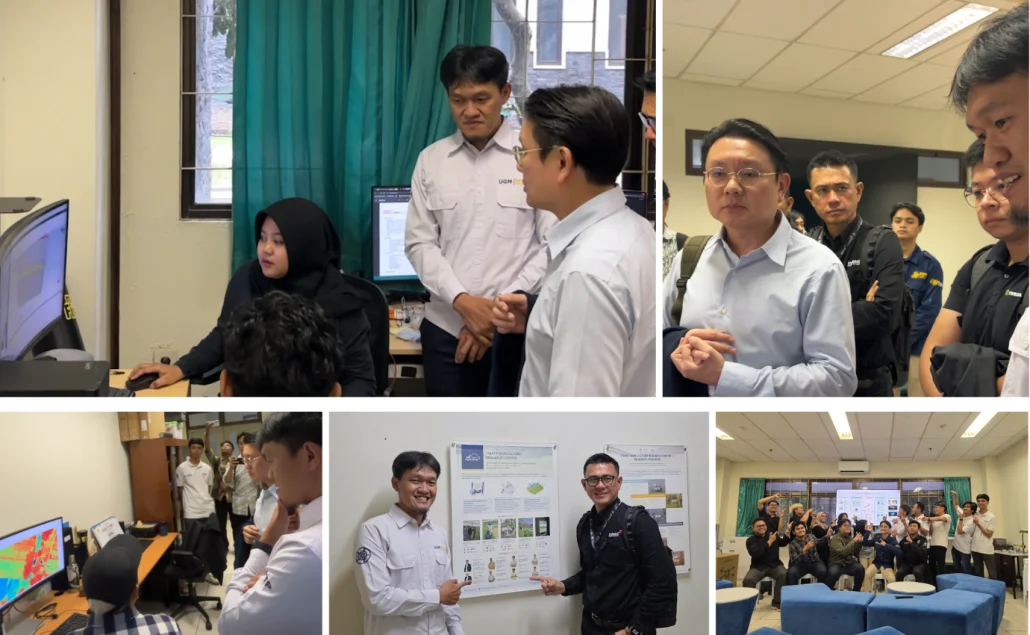
Through this series of Tech Meetings and laboratory visits, FTP UGM reaffirms its commitment to developing applicable Multimodal AI research with direct impact for the tropical agriculture sector. This collaboration is expected to serve as a foundation for developing smart farming based on cutting-edge technology, while strengthening UGM's role as a center for AI research innovation in Indonesia.
This activity also contributes to the achievement of Sustainable Development Goals (SDGs), particularly SDG 2 (Zero Hunger) through increased agricultural productivity, SDG 9 (Industry, Innovation, and Infrastructure) through strengthening research and technology, and SDG 17 (Partnerships to Achieve the Goals) through collaboration between higher education institutions and global technology industries.
Originally published on our previous site. Read the original