
Collaboration Research
Smart Agriculture UGM Researchers Study AI and Robotics Innovation at Vision + Robotics Parcours 2026 at WUR
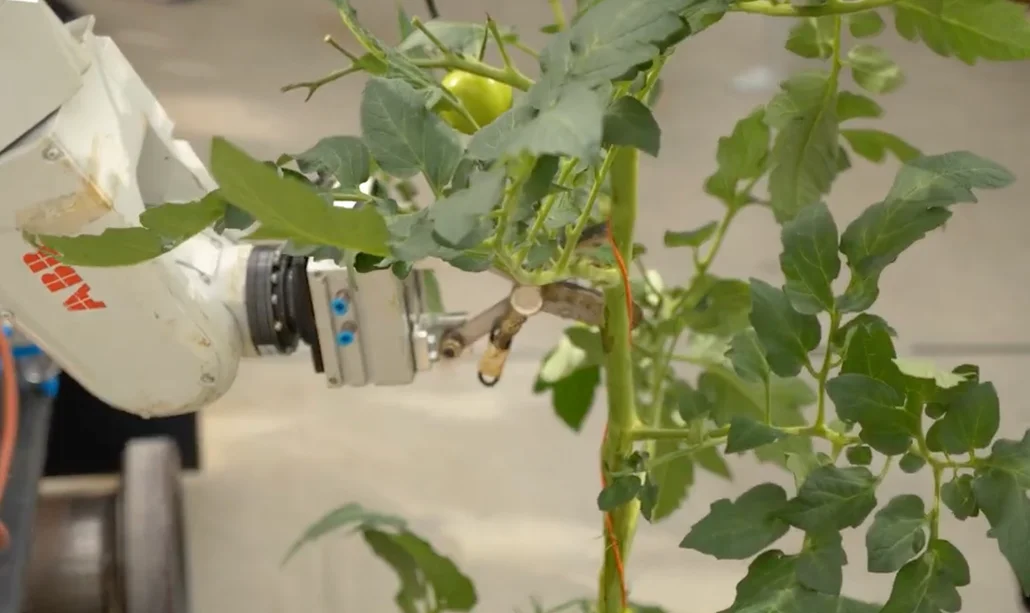
Wageningen, the Netherlands — Dr. Andri Prima Nugroho and Muhammad Athala Fawwaz Dzaky from the Smart Agriculture Research Center (SARC), Department of Agricultural and Biosystems Engineering, Faculty of Agricultural Technology, Universitas Gadjah Mada (UGM), participated in the Vision + Robotics Parcours 2026 at Wageningen University & Research (WUR). This participation was part of a series of staff mobility activities from the International Joint Research Academy (IJRA) and student mobility from the International Joint Supervision Program (IJSP) held on 1–12 September 2026.
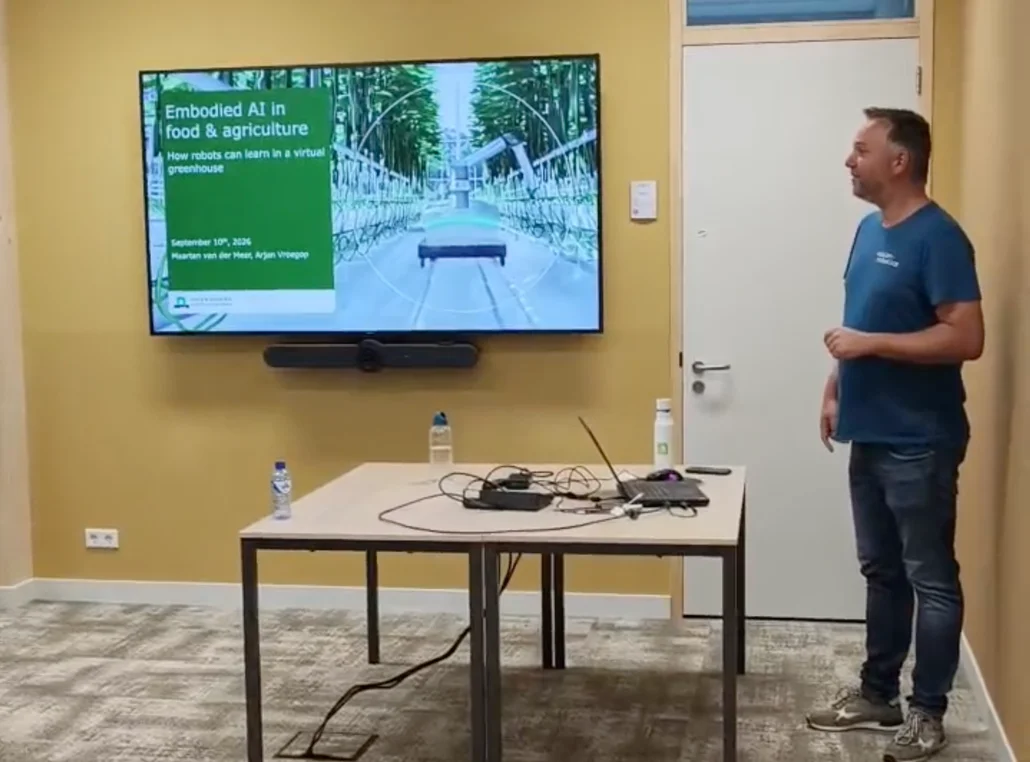
Vision + Robotics Parcours 2026 took place on 10 September 2026 from 09.00–15.30 at the Omnia Building, Wageningen Campus. According to official WUR information, this event was the fifth edition of a biennial gathering that brings together the agri-foodtech sector, researchers, technology developers, end-users, and various stakeholders. The event was designed to introduce the latest developments in artificial intelligence, sensor technology, and robotic systems, while discussing their role in supporting global food provision and nature conservation.
During the event, participants took a campus tour to sensor and robotics system laboratories organized across eight innovation stations. Technologies introduced included selective and automated harvesting systems, smart sensor technology, autonomous systems, simulation and digital twins, smart equipment for the agrifood sector, and the application of artificial intelligence and machine vision. The event program also provided spaces for technology demonstrations, discussions with experts, and networking among participants. The theme and program overview were also published by NLrobotics.
For Dr. Andri and Athala, this event provided an opportunity to directly observe the direction of modern agricultural technology development. The various technologies displayed had connections with SARC UGM's research focus, particularly spectral imaging, plant phenotyping, indoor farming, precision agriculture, artificial intelligence, and agricultural robotics. Exposure to systems developed and demonstrated at WUR provided insight into technology readiness levels, system operations, and possibilities for application in tropical agricultural research in Indonesia.
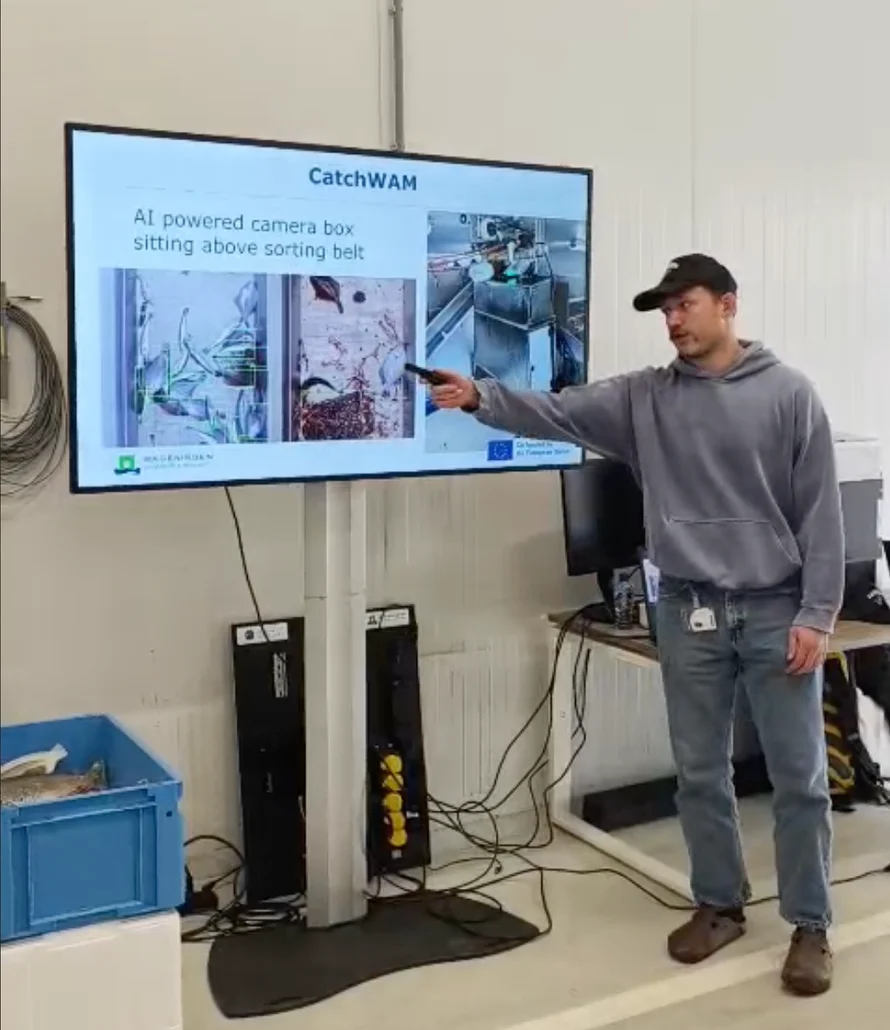
Participation in Vision + Robotics Parcours also served as a useful technology scouting process and research capacity comparison. UGM researchers could identify relevant technologies for adaptation, determine components still requiring development, and establish priorities for facilities and competencies needed. This knowledge could serve as a foundation for designing experiments, developing prototypes, updating learning materials, and determining student research topics aligned with global technological developments.
The event also demonstrated the importance of relationships among higher education institutions, research institutions, technology developers, industry partners, and end-users. For SARC UGM, this collaboration model provided a reference for building research that does not stop at concept development but is directed toward testing, refinement, and application of technology according to field needs. Meetings with researchers and technology practitioners also opened opportunities for networking to exchange knowledge, co-develop proposals, produce collaborative publications, and develop research partnerships in the future.
An important implication of this participation is the availability of an initial framework for developing a roadmap for smart agricultural technology development at UGM. Technologies observed do not necessarily need to be applied directly in the same form but can be examined based on tropical commodity needs, environmental conditions, infrastructure readiness, costs, and user capacity in Indonesia. This approach enables SARC UGM to select the most relevant innovations and develop them into appropriate solutions.
The experience of participating in Vision + Robotics Parcours 2026 strengthened the learning journey of Dr. Andri and Athala during their stay at WUR. Beyond gaining insights into cutting-edge technology, both gained understanding of an innovation ecosystem that brings together research, education, industry, and community needs. This knowledge is expected to be followed up through research agendas, capacity development for researchers and students, and UGM–WUR collaboration in the field of smart agriculture.
This participation supports the Sustainable Development Goals, particularly SDG 2 on Zero Hunger, SDG 4 on Quality Education, SDG 9 on Industry, Innovation, and Infrastructure, and SDG 17 on Partnerships for the Goals.
Sources of Information
Originally published on our previous site. Read the original