Launching and FGD of Affordable Smart Fertigation System, SmartAgri UGM Promotes Climate-Adaptive Agriculture at KWT Teratai Mekar
 Smart Agriculture Research Center
 Collaboration Research
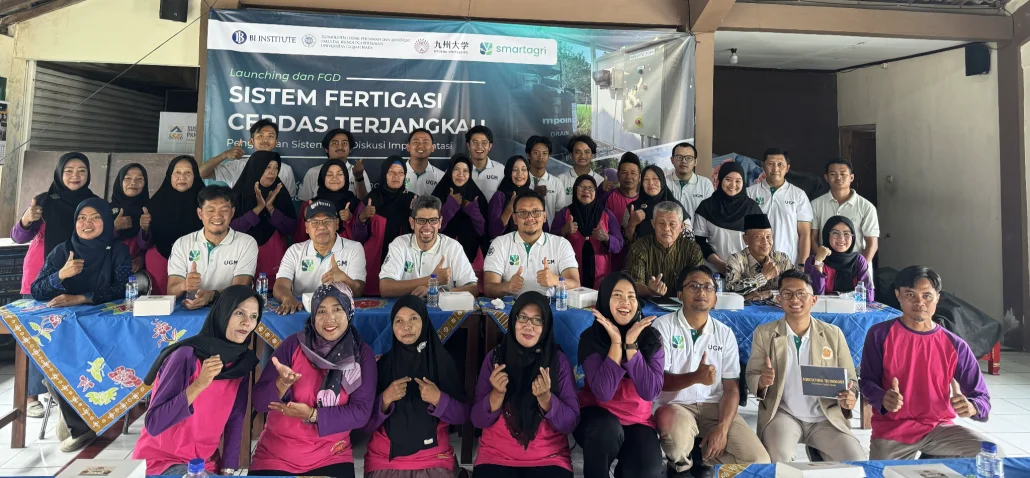
Yogyakarta, October 9, 2026. Smart Agriculture Research Center UGM together with the Faculty of Agricultural Technology (FTP) UGM held a launching and Focus Group Discussion (FGD) of the Affordable Smart Fertigation System at the RW 26 Pringgolayan Community Meeting Hall, Condongcatur, Friday (9/10).
This activity is part of the Bank Indonesia Research Grant (RGBI) program, which aims to introduce simple and affordable agricultural technology to support climate-adaptive agriculture, efficient use of water and fertilizer, and strengthening food security in the community. In addition to technology introduction, the activity included system presentations, equipment handover, technology demonstration, and discussion with members of KWT Teratai Mekar regarding the implementation of the fertigation system in daily agricultural activities.
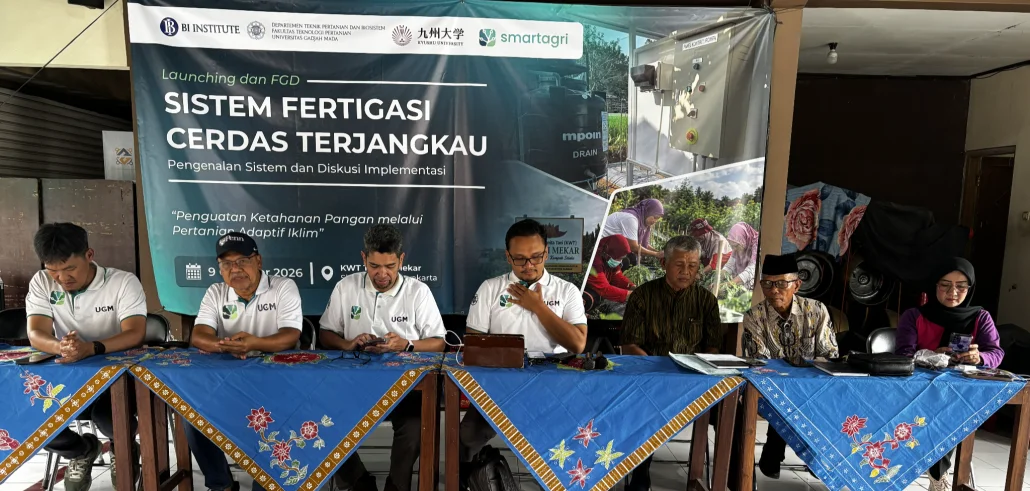
The event was attended by the Dean of FTP UGM, Prof. Dr. Mirwan Ushada, S.T.P., M.App.Life.Sc., Head of the Department of Agricultural Engineering and Biosystems FTP UGM, Dr. Arifin Dwi Saputro, S.T.P., M.Sc., Prof. Dr. Ir. Lilik Sutiarso, M.Eng., IPU., ASEAN Eng., APEC Eng., as a member of the RGBI research team, Coordinator of Smart Agriculture Research Center UGM and Head of the RGBI 2026 Research Program, Ir. Andri Prima Nugroho, Ph.D., IPU., ASEAN Eng., APEC Eng., a representative of Condongcatur Subdistrict, board members of KWT Teratai Mekar, Head of Dukuh Dabag, SmartAgri UGM research team members, and members of KWT Teratai Mekar.
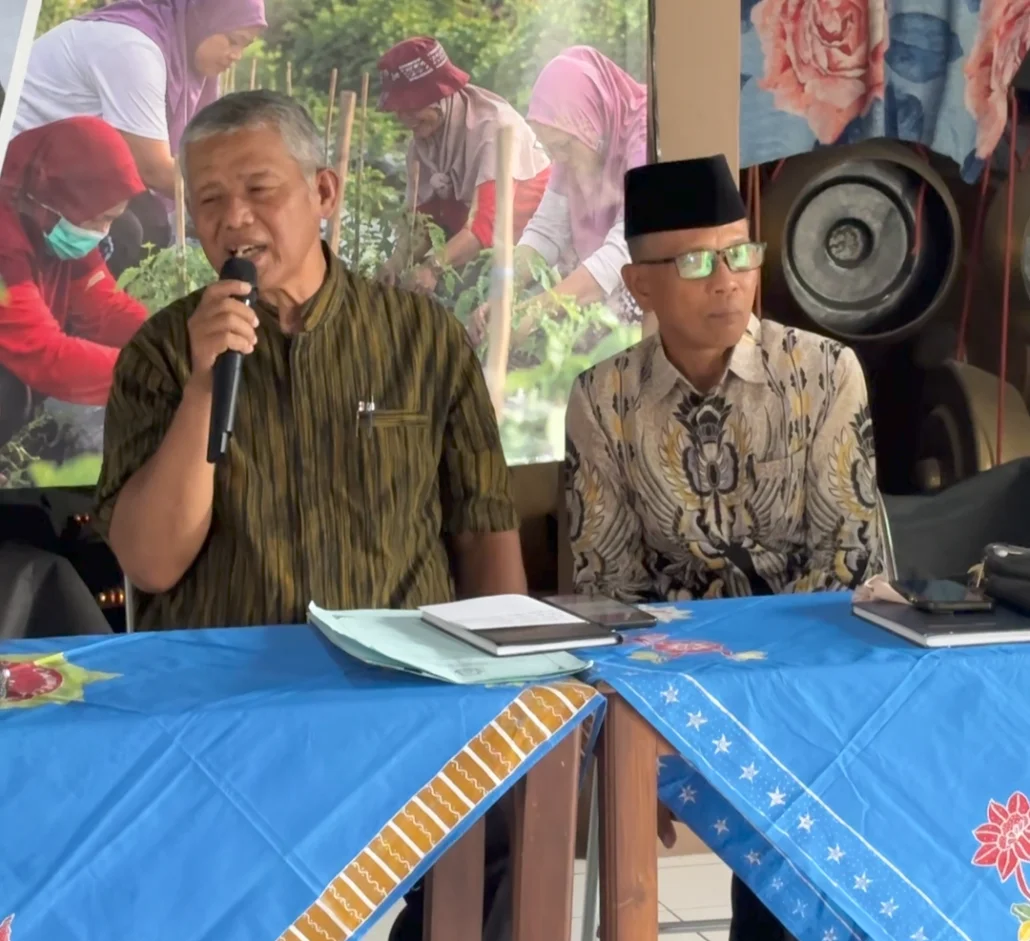
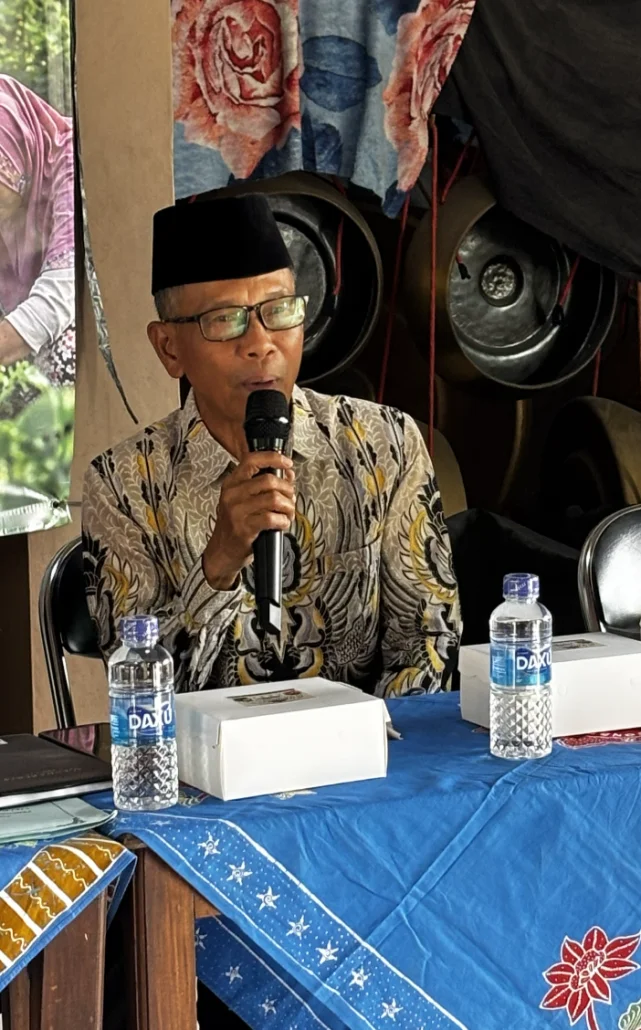
In his remarks, a representative of Condongcatur Subdistrict, Murdiyanto, S.E., expressed appreciation for the mentoring and knowledge transfer provided by FTP UGM to the community. According to him, practical agricultural technology is very much needed by the people of Condongcatur, especially since agricultural land is increasingly limited. "In Condongcatur, agricultural land has been decreasing. Therefore, we are grateful for the guidance and knowledge to utilize small yard spaces," he said. He added that the community, especially the women members of KWT, need technology that is easy to use, practical, and delivers tangible results. He hopes that the implementation of the fertigation system can increase the enthusiasm and productivity of KWT Teratai Mekar members.
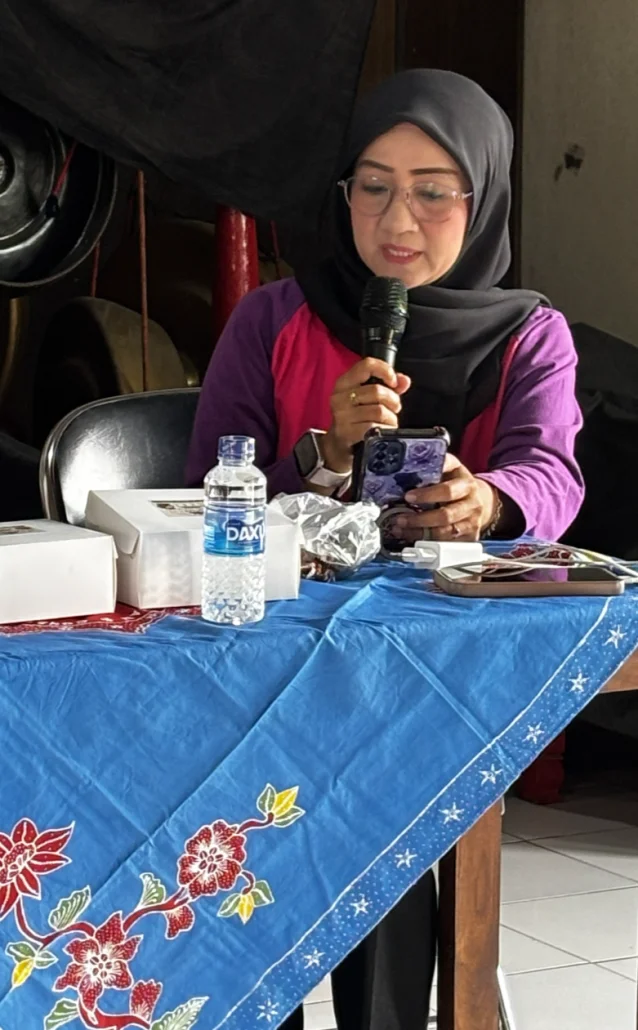
Ida Halimah, Head of KWT Teratai Mekar, said that the affordable smart fertigation system addresses the challenges that her group has faced, particularly in proper fertilizer application, efficient water use, and production cost control. "We are grateful for the trust given to KWT Teratai Mekar as the location for this technology research and implementation. We hope this system can help us apply fertilizer properly, not waste water, and remain affordable," said Ida.
Meanwhile, Ahmad Sunaryo, Head of Dukuh Dabag, highlighted the spirit and sincerity of KWT Teratai Mekar members in developing agricultural activities together. He stated the motto "The sincerity of these women is what keeps KWT Teratai Mekar moving forward. We thank UGM for the assistance and mentoring that has been provided."
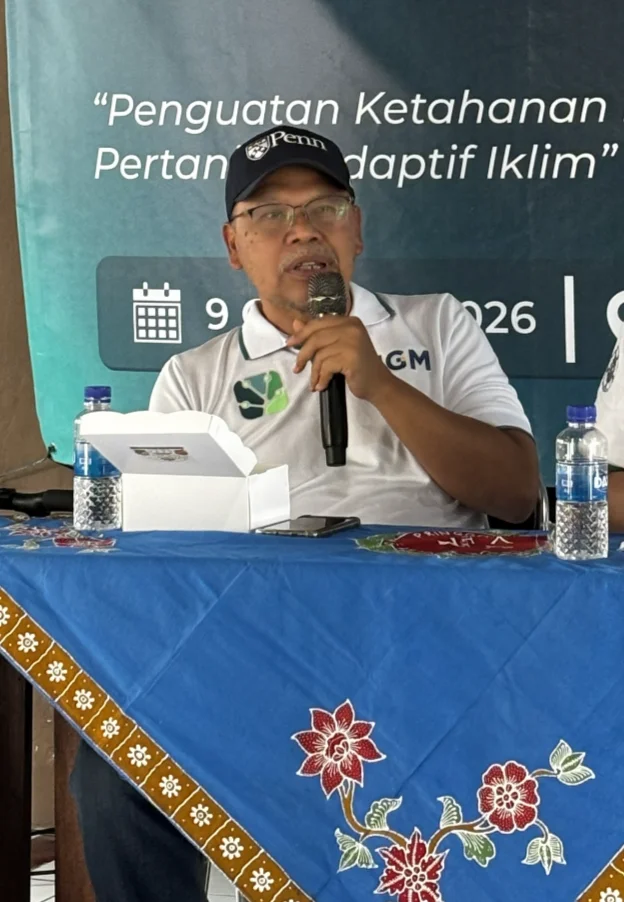
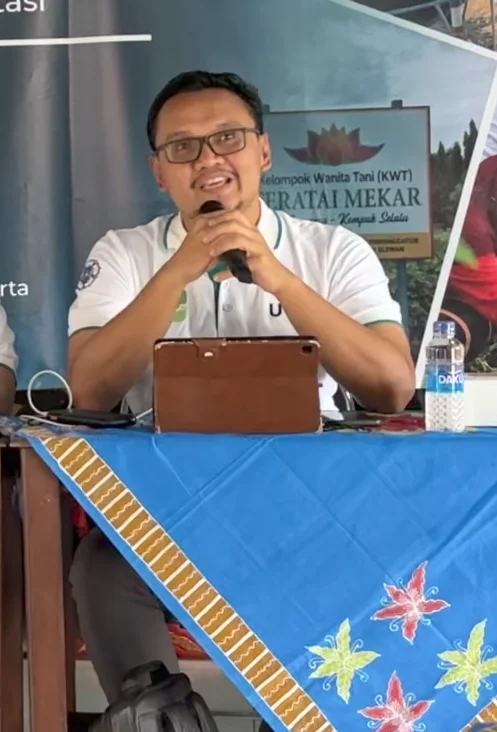
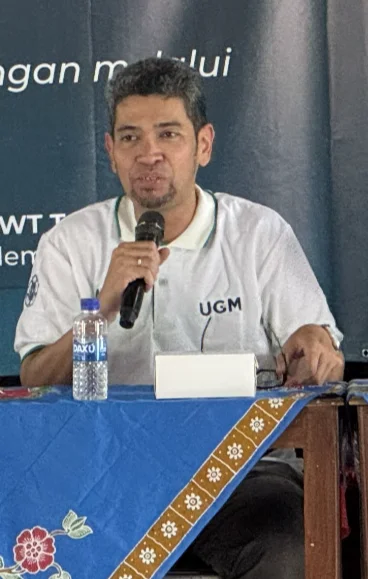
Prof. Lilik, a representative of the RGBI research team, explained that the development of the affordable smart fertigation system stems from the community's need for technology that is simple, easy to use, and inexpensive. According to him, digital technology is often perceived as something complicated, expensive, requiring a lot of electricity, and difficult to maintain. "Therefore, we strive to develop practical technology with maximum results. This technology is designed to be easy to use by KWT women and can be applied in daily agricultural activities," he explained.
Dr. Arifin Dwi Saputro, Head of the Department of Agricultural Engineering and Biosystems FTP UGM, conveyed that the activity is still at the stage of introducing simple technology. With diligence, spirit, and consistency from KWT members in implementing the system, similar technology can be further developed to support increased production and community income.
Prof. Mirwan Ushada, Dean of FTP UGM, stated that climate change has been directly felt by the community, including through changes in rainfall patterns that impact agricultural activities and food sovereignty. He believes that women, especially KWT members, play an important role in ensuring food availability for their families while supporting household economies. Therefore, community involvement in the implementation of agricultural technology is an important part of efforts to build sustainable food security.
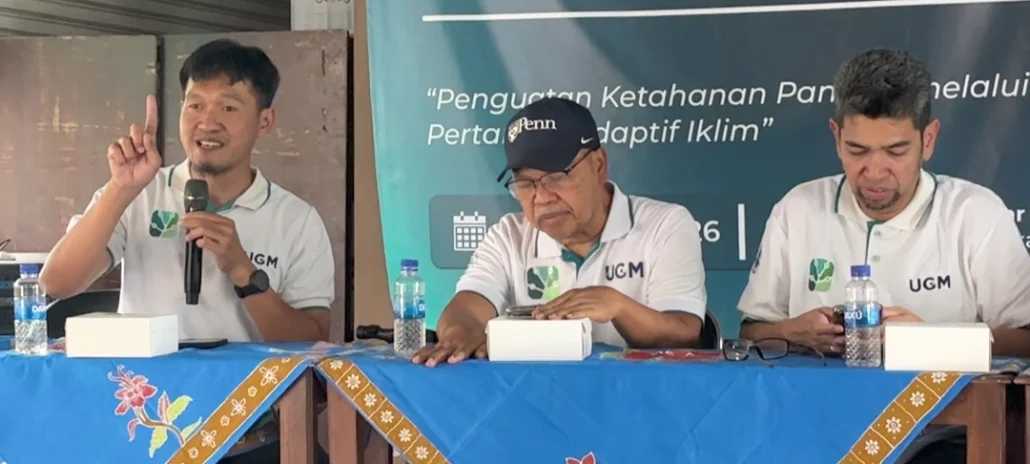
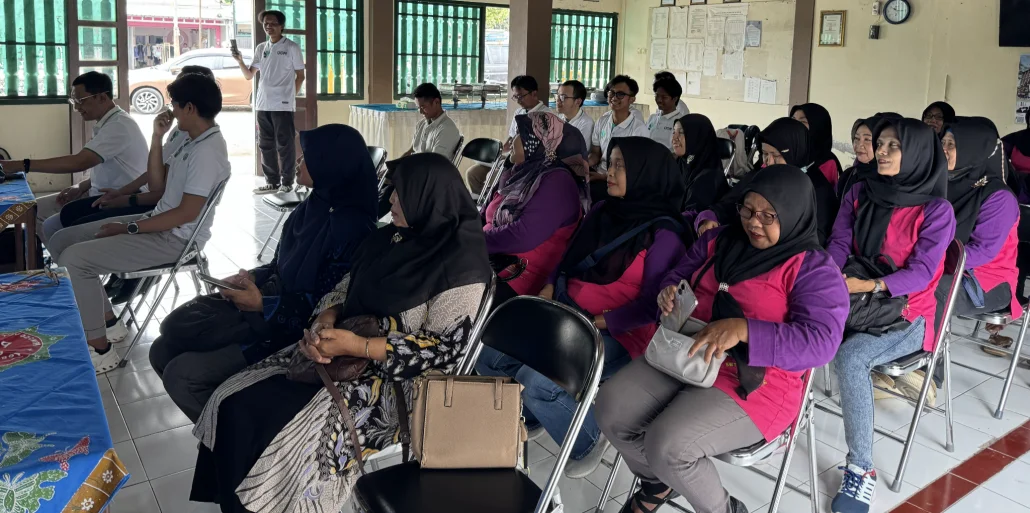
In the presentation session, Dr. Andri Prima Nugroho, Coordinator of Smart Agriculture Research Center UGM and Head of the RGBI 2026 Research Program, explained that the fertigation system was selected based on problems found in the field.
Some of these problems include the need for alternate irrigation, the heavy workload of irrigation, inconsistent fertilizer application, and difficulties in fertilizer procurement. The affordable smart fertigation system was developed to help address these problems through technology that can be operated digitally using mobile phones or manually.
Technology introduction is carried out gradually to match user needs and capabilities. "Hopefully, this technology can ease the work of these women operationally, increase time productivity, and support increased income and plant quality," said Andri.
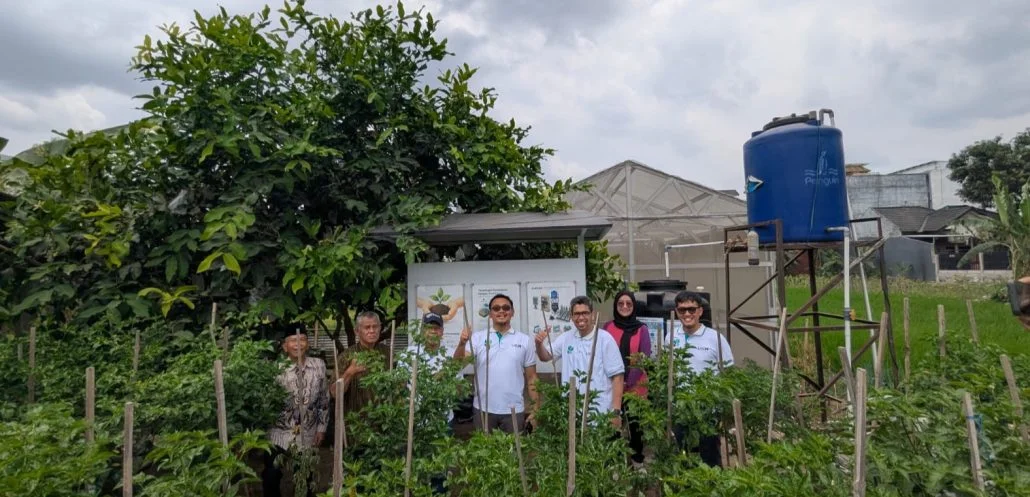
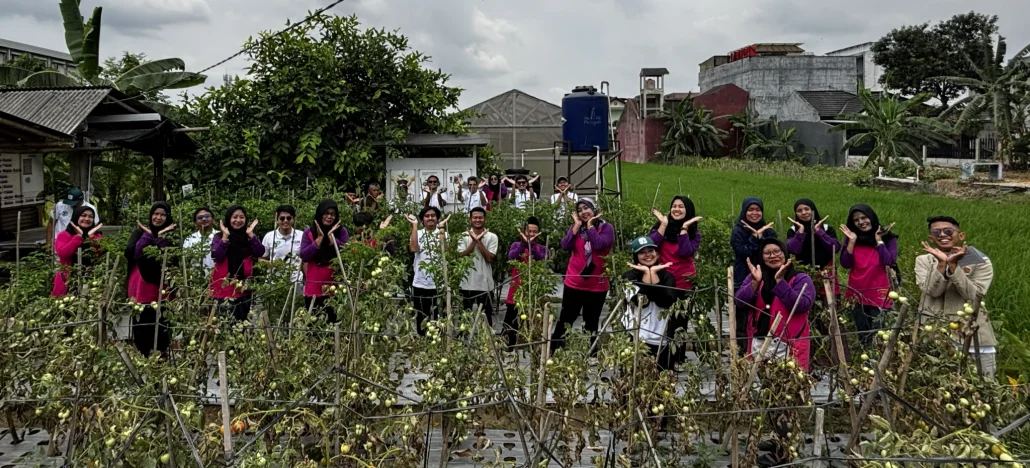
Following the remarks and technology presentation session, the activity continued with a visit to the KWT Teratai Mekar garden in Dabag. At this location, the handover and launching of the Affordable Smart Fertigation System took place, marked by the initial operation of the equipment by representatives from the subdistrict government, FTP UGM, research team members, and KWT Teratai Mekar board members.
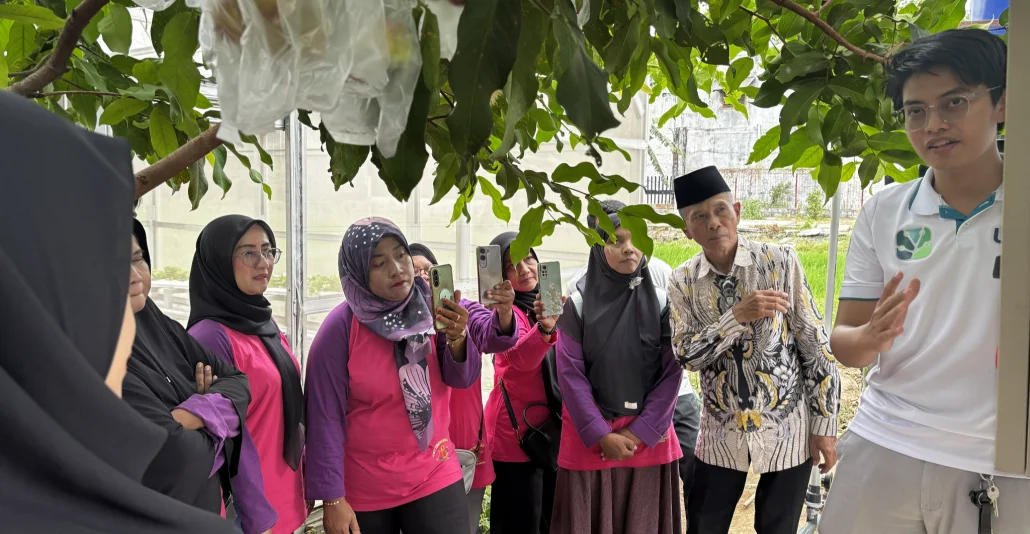
The research team then provided a simple demonstration on how to use the fertigation system to KWT members. This demonstration aimed to enable KWT members to understand how to operate, monitor, and maintain the system in daily cultivation activities.
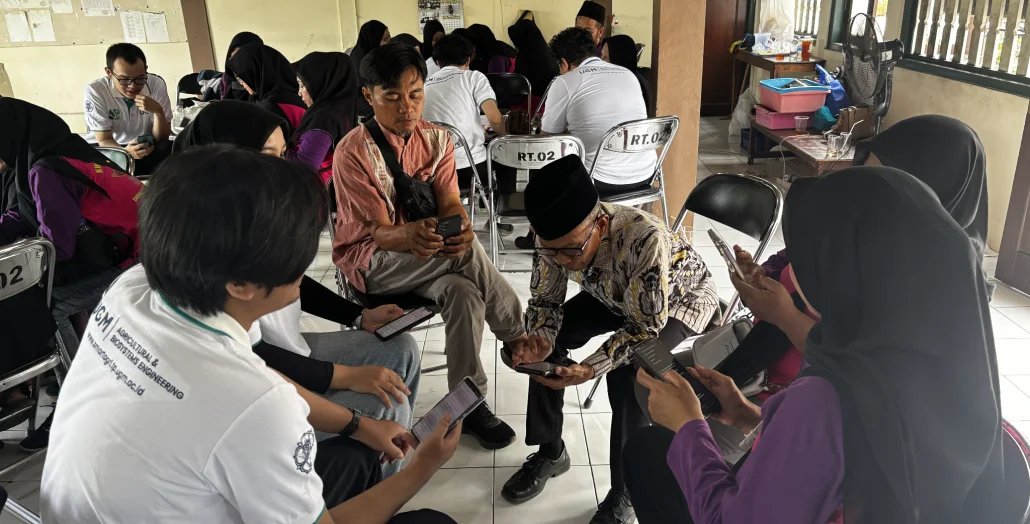
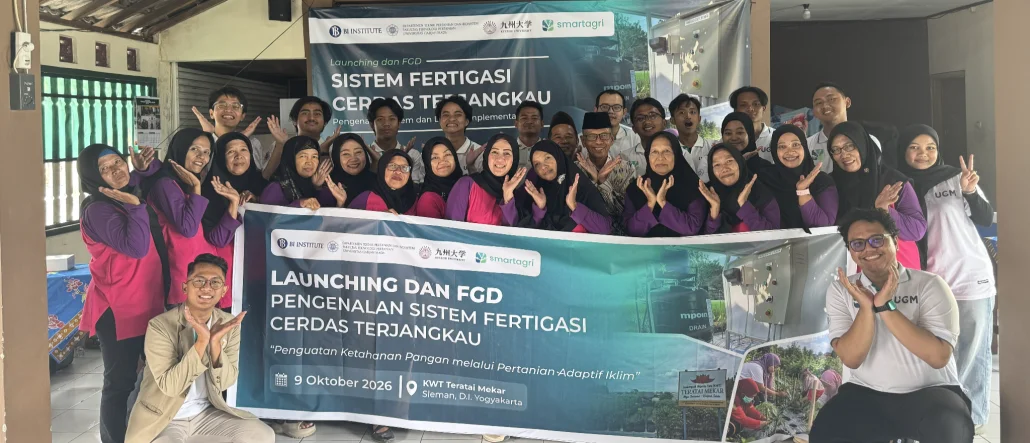
The series of activities concluded with an FGD with KWT Teratai Mekar members. The discussion covered the use of AURORA as well as agricultural activities carried out by KWT Teratai Mekar. This FGD was also attended by research assistants from Smart Agriculture Research Center UGM, namely Ardan Wiratmoko, S.T.P., M.Sc., Athala Fawwaz, Fathuzaky Setyawan, Samuel Gatot Murseno, Cahyo Putro, Fahmi Arsyad, M. Fajar Ridho, Mutiara Alifia, Diena Itaul, Ardan Desta, and Rizqi Asy'ari.
Additionally, SmartAgri UGM researchers who will conduct research at KWT Teratai Mekar, namely Maoricio Ferrel, Adimas Dwi, and Iskandar Zulkarnain, also participated in the activity. Through this FGD, the research team gathered experiences, needs, and input from KWT members as a basis for developing technology more suited to community conditions.
The implementation of the Affordable Smart Fertigation System at KWT Teratai Mekar is expected to be an initial step toward developing efficient, practical, and climate-adaptive home garden agriculture. This activity is also expected to strengthen collaboration between higher education institutions, government, community, and Bank Indonesia in supporting food security and improving community welfare.
Connection to SDGs
- SDG 2 – Zero Hunger, through strengthening food security and increasing agricultural productivity in the community.
- SDG 5 – Gender Equality, through empowering KWT women in technology management and agricultural activities.
- SDG 9 – Industry, Innovation, and Infrastructure, through the development and implementation of simple and affordable smart fertigation technology.
- SDG 12 – Responsible Consumption and Production, through efficient use of water and fertilizer in the cultivation process.
- SDG 13 – Climate Action, through the implementation of agricultural technology that supports cultivation systems adaptive to climate change.
- SDG 17 – Partnerships for the Goals, through collaboration between UGM, Bank Indonesia, subdistrict government, research team members, and the KWT Teratai Mekar community.
Written bySmart Agriculture Research CenterOriginally published on our previous site. Read the original