
Controlled environments,engineered for the tropics.
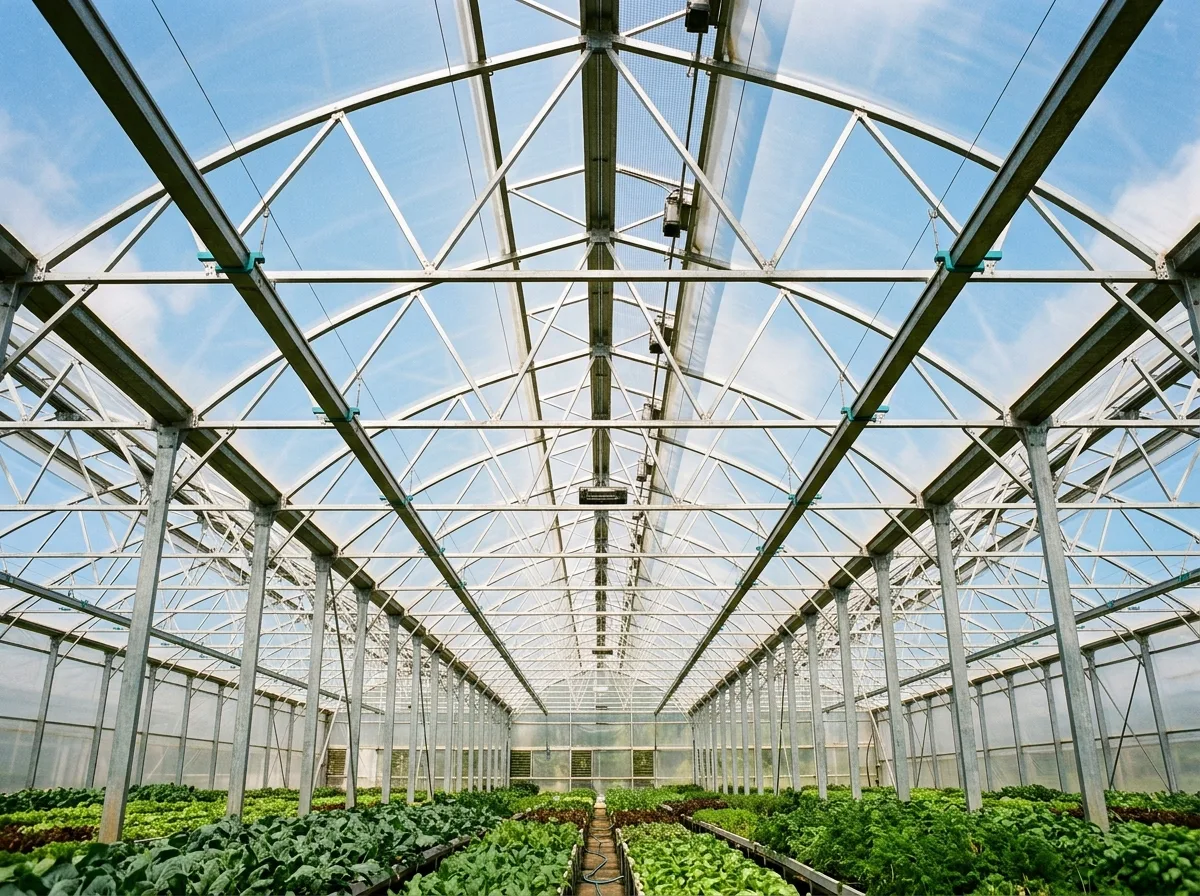
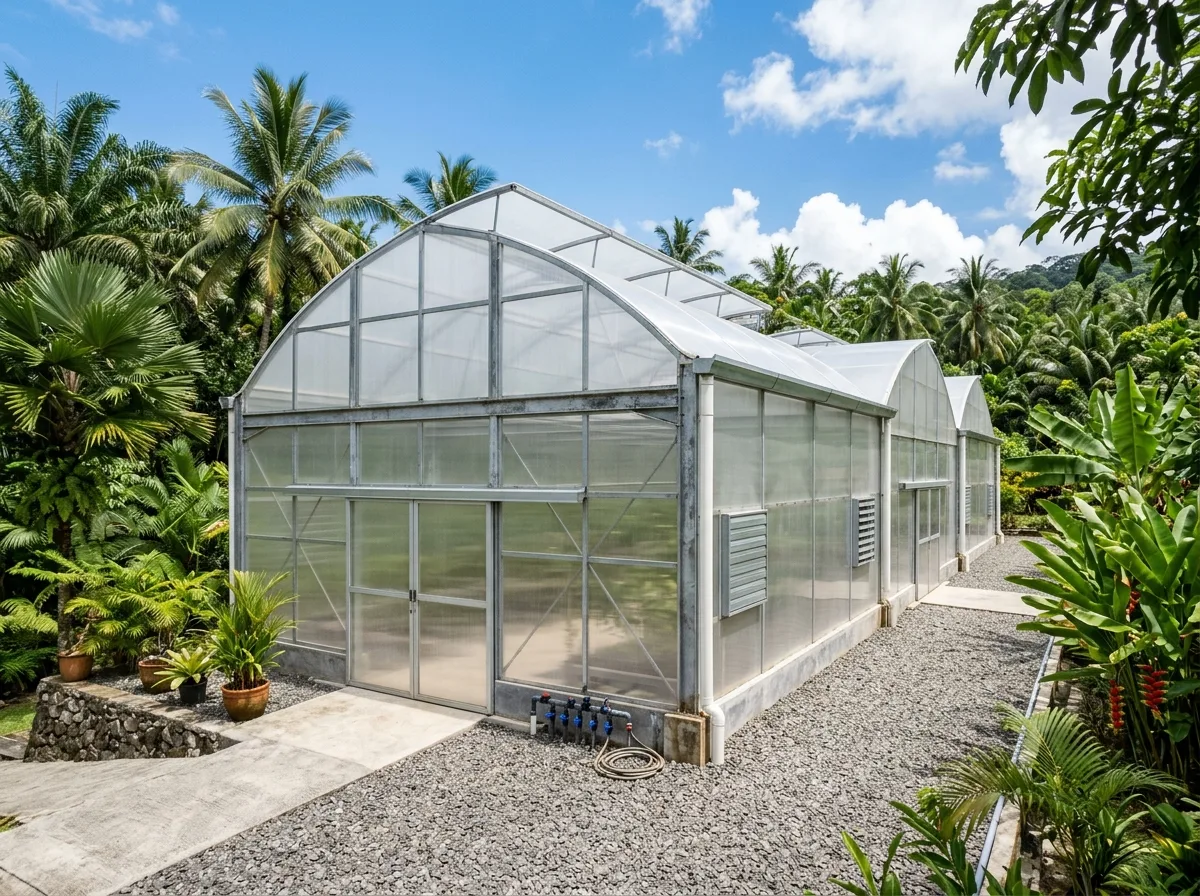
Greenhouses and plant factories designed for heat, humidity, and year-round pest pressure. Systems shaped by the climate we actually grow in.
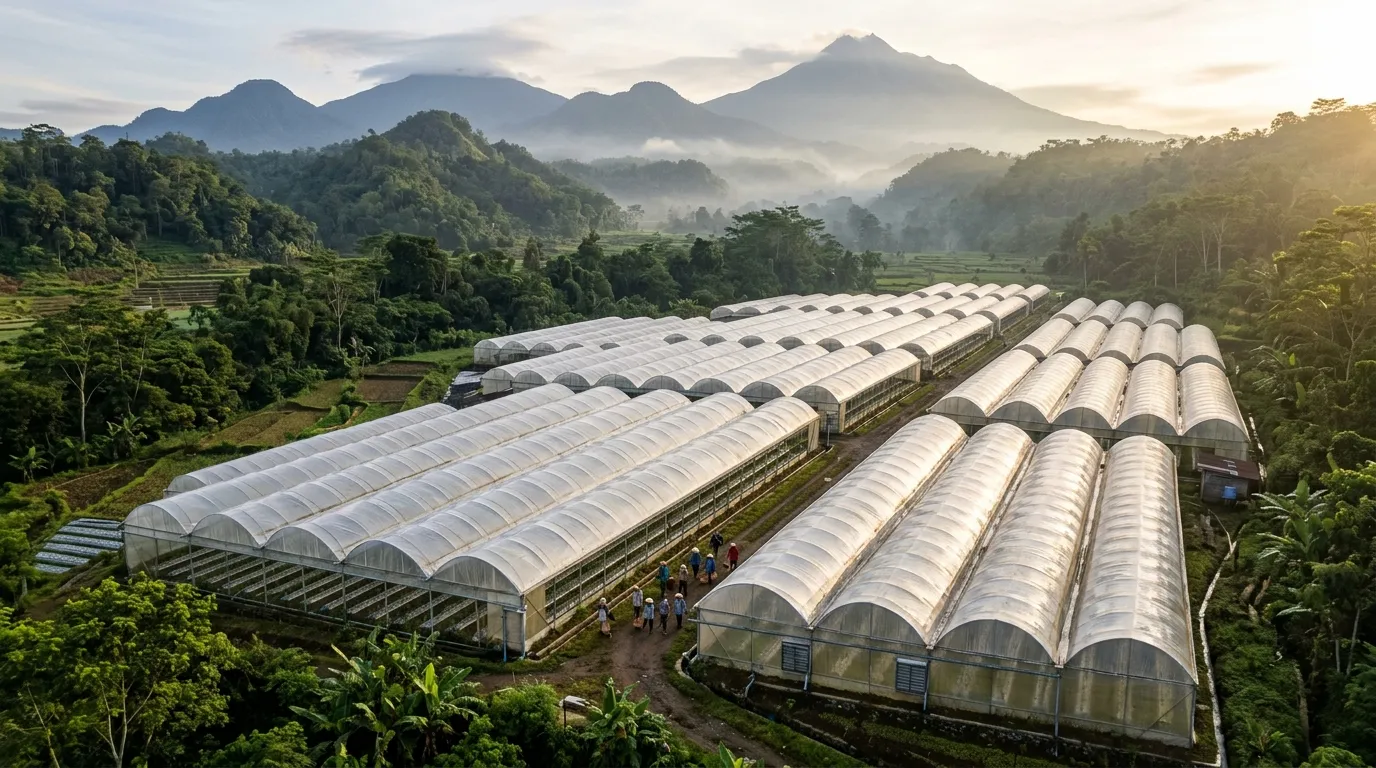
Why we work on this
Grow more, on less land,with far less water.
Indonesia is losing farmland to cities while demand for clean, consistent produce keeps climbing. Controlled-environment agriculture answers both: it lifts yield per square metre, recirculates its water, and produces to a schedule instead of to the weather.
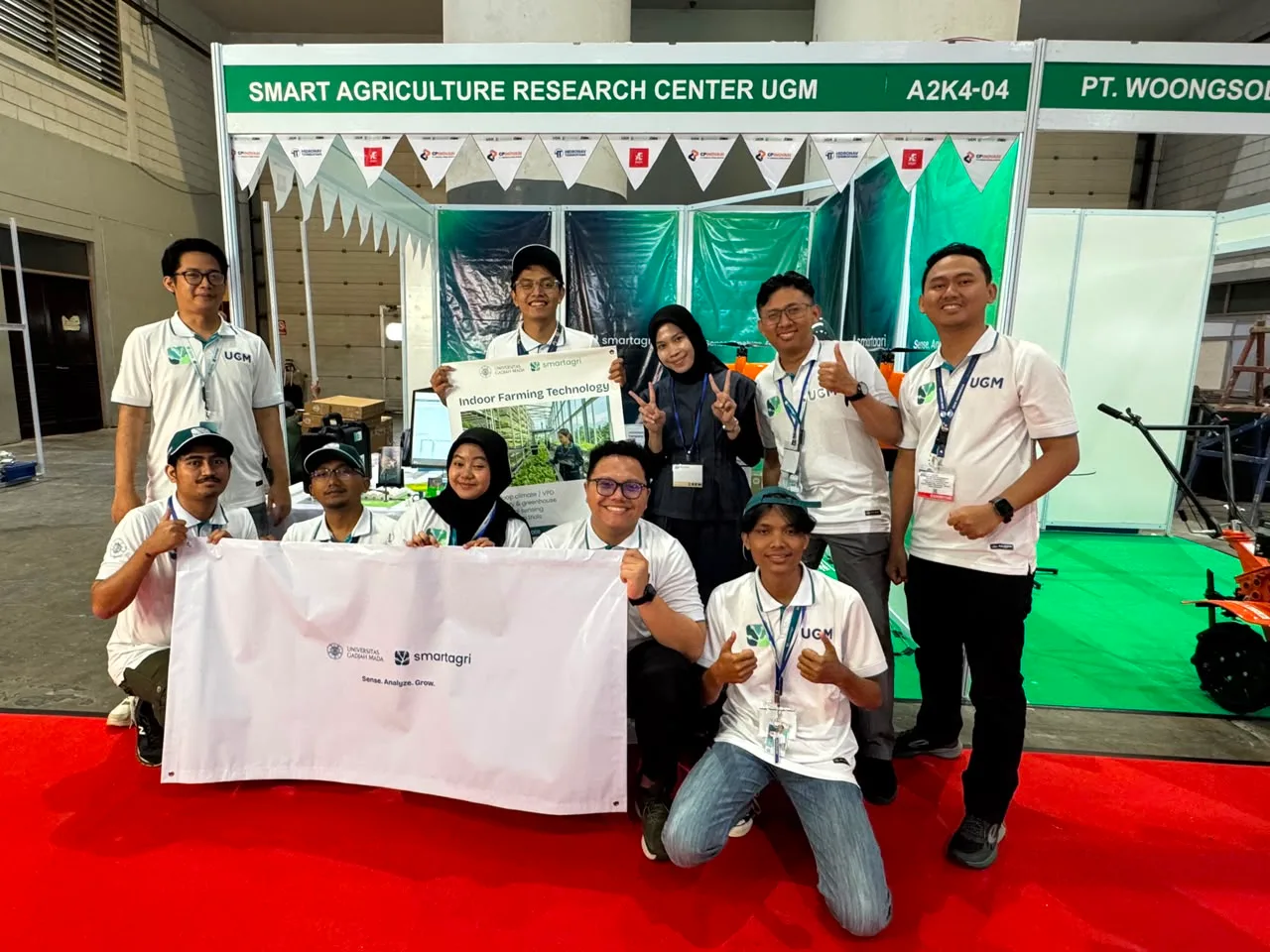
Doing that here means solving a tropical problem: shedding heat and moisture, holding a stable vapour pressure deficit, and keeping pests out all year. Our work at the Smart Agriculture Research Center starts from those conditions, and from hardware an Indonesian grower can afford, maintain, and repair.
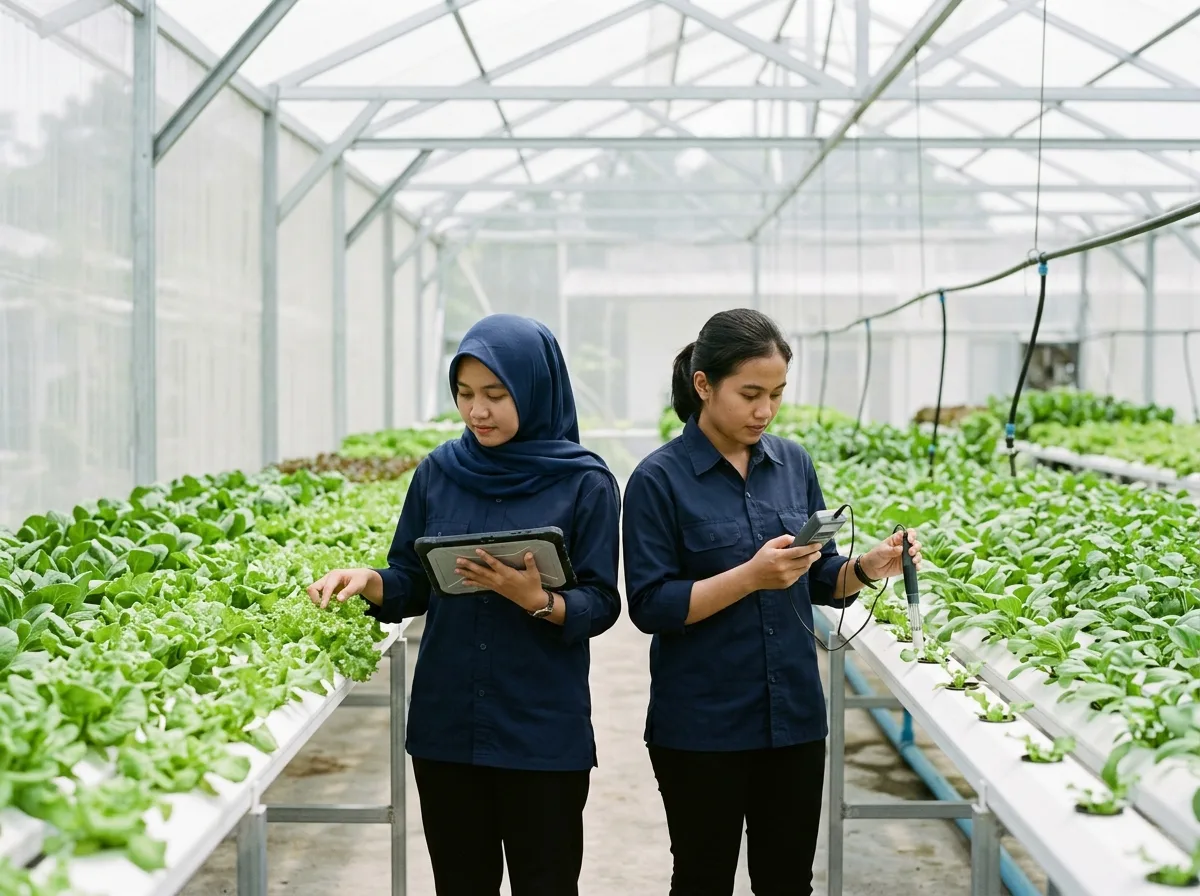
Explore
Four ways intothe subject.
From the first feasibility questions to the crops, the systems, and the structures that house them.
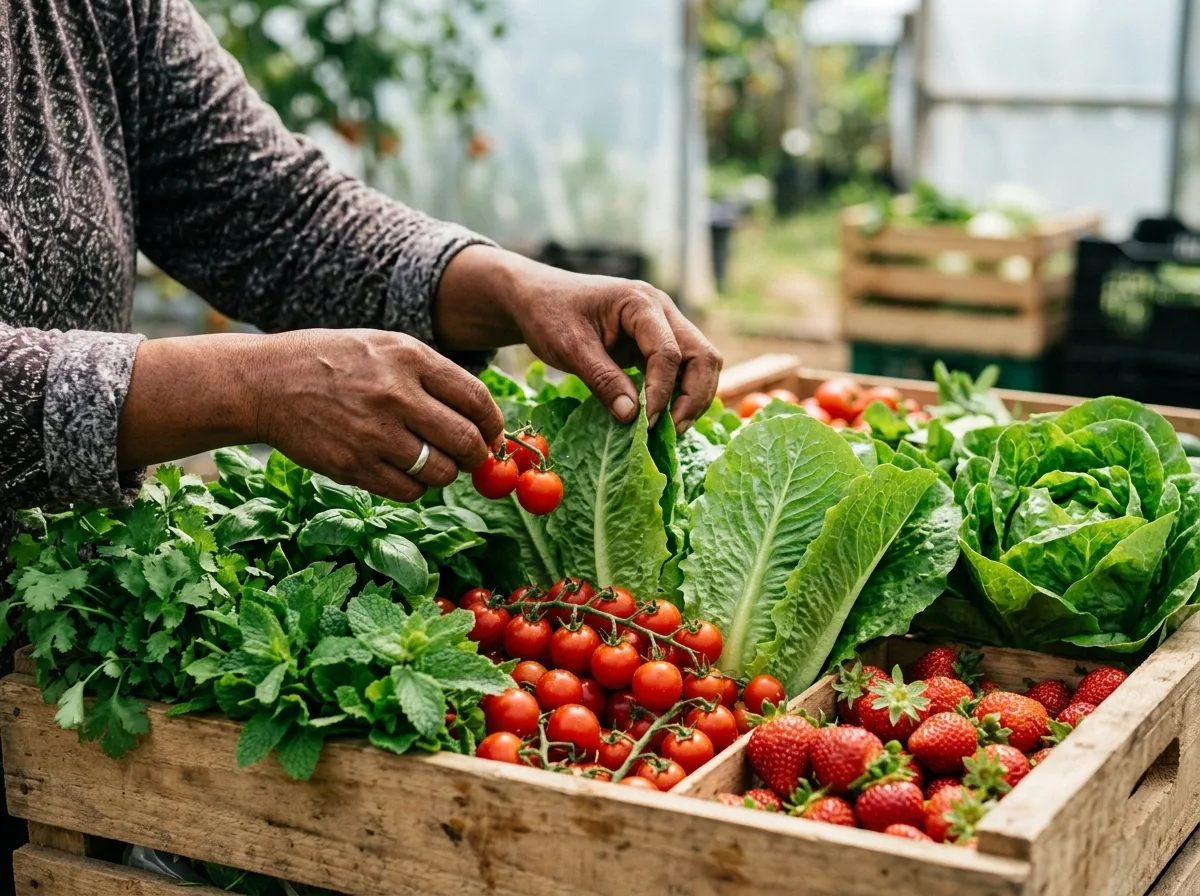
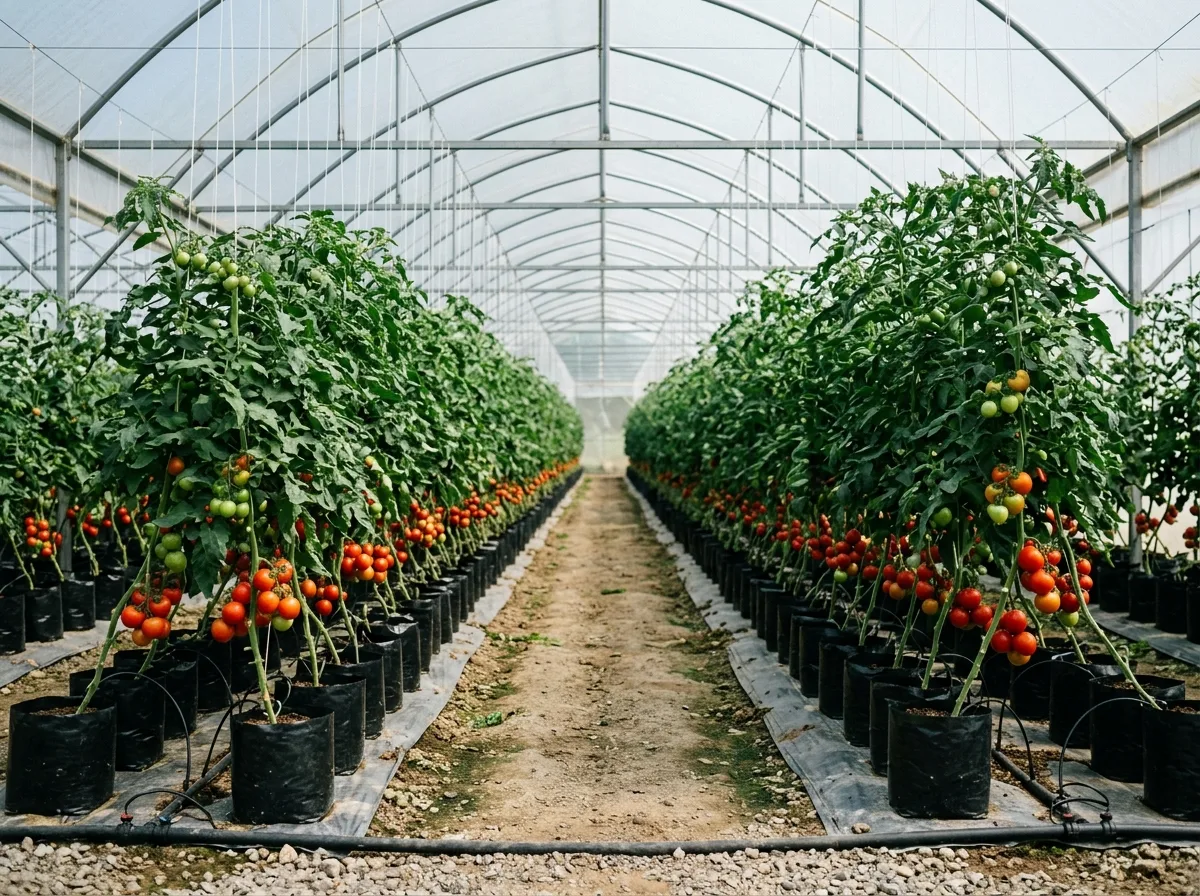
The tropical difference
What the equatorchanges.
Four conditions define tropical growing, and between them they drive nearly every design decision we make.
Humidity, not cold, is the constraint
Light is abundant, heat comes with it
Pest pressure never pauses
Rain is a resource, not a nuisance
Capabilities
What we bringto the table.
Instrumentation, control, and crop science developed in our own greenhouses and plant factory, and taught to the people who will run yours.
- Climate control systems
- Hyperspectral plant sensing
- IoT sensor networks
- Hydroponics and fertigation
- Plant factory systems
- Automation and dashboards
- Water recirculation
- Pollination and IPM
How we work together
From a questionto a running facility.
A typical collaboration, from the first look at the crop and the site to the first seasons of running it together.
Scope and site
We look at the crop, the market, the site, and the water and power available, then say plainly whether a controlled environment is the right answer.
Design and trial
A design brief and, where it matters, an instrumented trial block so the numbers behind the plan come from your site rather than a catalogue.
Build and instrument
Structure, climate, and irrigation implemented together, with sensing and control installed from the start rather than retrofitted.
Operate and improve
Protocols, training, and joint operation through the first cycles, then regular reviews where the logged data sets the next season's targets.
Knowledge
From thefield notes.
Let's grow the futureof farming together.
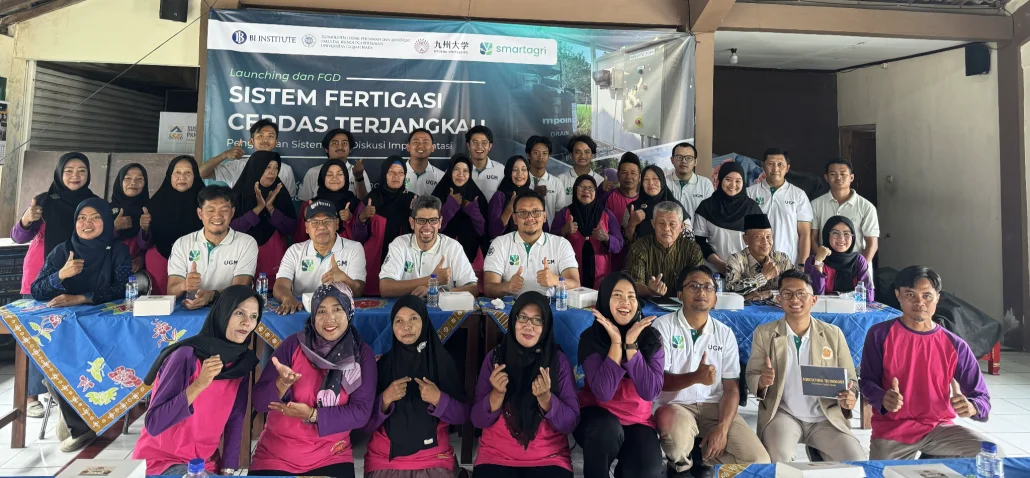
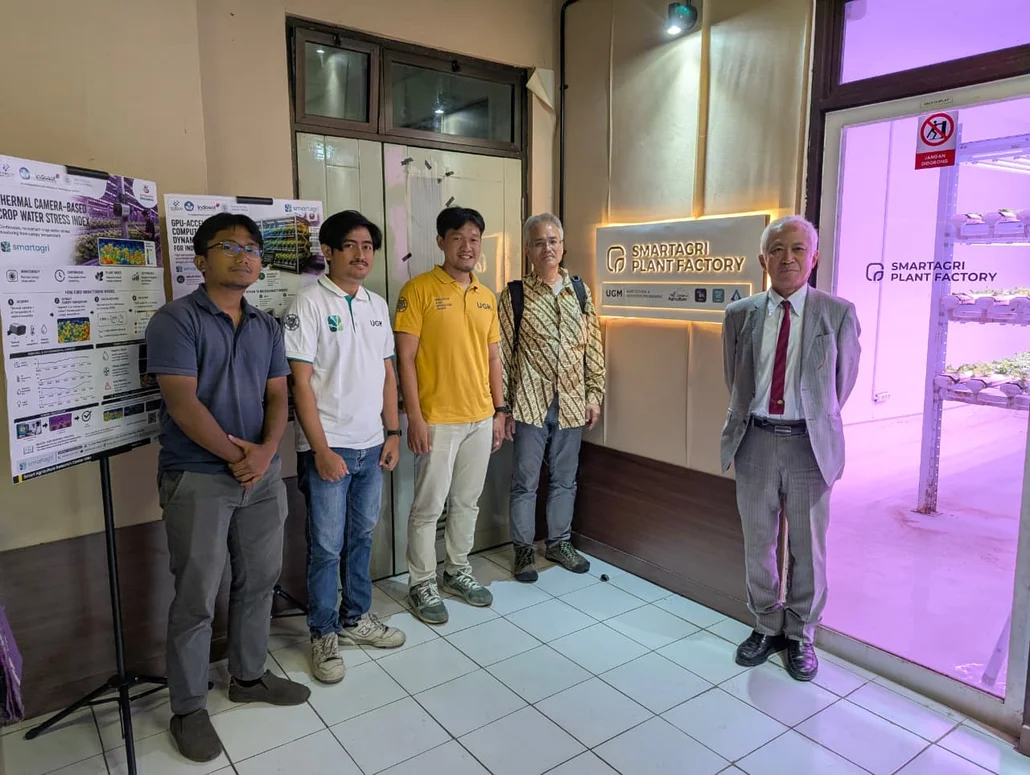
Partner with our researchers, pilot smartagri on your fields, or join the team building data-driven agriculture.
